The chicken sizzles. The cheese glistens. The air is thick with smoke and lime. Grilled salsa verde Pepper Jack chicken is not a recipe—it’s a ritual. The tangy tomatillo sauce meets the sizzling heat of the grill, creating a crackle that sings through the kitchen. The cheese, golden and glossy, stretches just enough to form a thin, creamy film over the meat before melting into its depths. This is what happens when tradition dances with audacity.
Pepper Jack isn’t just any cheese—it’s a dare. Sharp cheddar fused with smoky jalapeño, it adds a layered heat that refuses to be ignored. Paired with salsa verde’s tangy brightness, it’s a collision of textures: crispy char, smooth cheese, and the al dente bite of grilled poultry. There’s no escaping this flavor.
Forget everything you thought you knew about cheese-stuffed chicken. This dish isn’t cloying or heavy. It’s alive—not in some spooky way, but because it balances the earthy, the acidic, and the fatty with such precision that every bite feels like a conversation between cultures, a duel of techniques, and the triumph of home-cooked magic.
- Prep Time-25 minutes
- Cook Time-20 minutes
- Total Time-45 minutes
- Servings-4
- Difficulty-Intermediate
- Cuisine-Mexican-Texan fusion
Why This Recipe Works
Grilled salsa verde Pepper Jack chicken thrives on contrast. The smoky sear of the skin balances the salsa’s tartness—imagine tomatillos plumped with lime juice and garlic, their brightness cutting through the richness of melted cheese. The chicken stays juicy because the grilling is controlled, low-temperature, and fast. It’s not about charred disaster zones; it’s about creating a thin, toasted exterior that locks in moisture without overcooking.
The heat from the cheese evolves as it melts. Jalapeño isn’t one-dimensional—it begins with a sharp bite, then mellowed by the cheddar’s fattiness. This progression keeps your palate guessing. Even the salsa plays a role: its acidity lifts the cheese, preventing it from clogging your taste buds. Together, they form a loop of flavor that keeps you coming back for seconds.
Texture is the secret star. The grill imprints those signature sear marks, creating caramelization. The sauce clings but doesn’t drown the chicken. The cheese, when done right, stretches just enough to coat without overpowering. Each bite has three distinct layers—crunch, melt, and tang—all working in harmony. There’s no dullness here.
And the time: 20 minutes on the grill means your meal doesn’t demand hours of slaving over a pan. You can walk away from the fire and return to a plate that looks like it was made at a top-tier restaurant. That’s the power of pairing heat with strategy.
The Cultural Soul of Grilled Salsa Verde Pepper Jack Chicken
Salsa verde (green sauce) began in southern Mexico, where cooks used tomatillos—edible husks packed with tartness—to balance slow-cooked meats. In the 20th century, American dairy companies rebranded cheddar with jalapeños as “Pepper Jack,” a product that married Mexican spice with American fusion hunger. Both ingredients have humble roots, and their marriage defies convention.
The grilling technique borrows from Southern barbecue traditions, where indirect heat sears flavor without drying meat. But this recipe adds a twist: the chicken is grilled with the skin on to maintain juiciness, and the salsa is deglazed from the pan it’s cooked in. It’s a bridge between Old World methods and New World boldness.
Why does this fusion work now? Because modern palates crave depth, not simplicity. Salsa verde’s tang pairs well with cheese’s fat, and the cheese, in turn, gives structure to the sauce’s liquidity. It’s not a gimmick—it’s a meeting of culinary pragmatism and creativity that feels both novel and familiar.
The Elements of the Dish: Ingredients for Grilled Salsa Verde Pepper Jack Chicken
- 4 bone-in chicken thighs: Opt for skin-on thighs for rich fat and crisp skin. Bone-in adds smoky, meaty depth.
- 2 jalapeños: Use fresh, not dried—their green hue and bite define the cheese’s profile. Deseed one for balance.
- 1 cup fresh tomatillos: Look for plump, firm ones in their husks. Their tartness tames the cheese’s richness.
- 1/2 cup white onion, charred: Charred onions add caramelized sugars that bind the salsa’s flavors. Use a mandolin for paper-thin slices.
- 3 tbsp fresh cilantro: Finely chop and add last to preserve aroma. Its brightness should cut through every bite.
- 2 tbsp lime juice: Use freshly squeezed for acidity and zest that matches the jalapeño’s sharpness.
- 1 tsp mexican oregano: Substitute with marjoram or dried basil if unavailable. Mexican oregano has citrusy undertones key to authenticity.
- 1 tbsp crushed red pepper flakes: Adjust to taste—these add subtle smoky heat that complements the cheese.
- 4 oz Pepper Jack cheese: Opt for thick slices (not shredded) for structural integrity. The cheese should melt but hold form.
The Editor’s Guide to Sourcing
Skin-on chicken thighs don’t just cost less—they give you the flexibility to crisp the skin while keeping the meat juicy. At the butcher’s counter, ask for “organic feed” to reduce dryness. Avoid pre-cut, frozen thighs for texture control.
Tomatillos are trickier. If you can’t find fresh, buy frozen in salsa verde packs. Look for a yellow-green color—over-rubied ones are bitter. Avoid the vinegar-heavy canned varieties. Instead, use the frozen type and thaw them slowly to retain moisture.
Jalapeños are often misunderstood. For the cheese: pick firm, dark green (not orange) jalapeños. These are at peak heat. For the salsa: use one raw, fresh jalapeño with visible green flecks. Avoid bottled jalapeños; they lose the smoldering crispness of raw peppers.
Cheese is critical. Pepper Jack isn’t a generic choice—it’s a tool. Select wheels with “American” in the label, not pre-shredded. Smell it before cutting: the jalapeño should be detectable but not overpowering. For extra complexity, add a sliver of garlic directly into the cheese.
Lime juice should be freshly squeezed. Bottled versions lose the essential oils. Mexican limes are better for zest—they’re smaller and sharper. Never use lemon juice for the salsa; it mellows the tang too much. Stick to lime for that authentic bite.
The Step-by-Step Masterclass
Marinating the Chicken
Start by scoring the skin of the chicken thighs diagonally—this helps the salsa verde stick and the cheese melt evenly. Mix lime juice, crushed red pepper flakes, and a pinch of salt in a bowl. Coat the chicken in the marinade. Let it rest for 15 minutes at room temperature, or 30 minutes refrigerated. Wait for visible changes: the skin should lose its gray hue and take on a wet sheen.
Grilling the Chicken
Preheat your grill to medium-high heat (375°F). Place the thighs skin-side down and sear for 10 minutes, rotating gently to avoid splitting the skin. The surface should turn a mahogany brown, and the fat should render out but leave a thin, flaky layer. Flip and cook for another 8–10 minutes until the internal temperature hits 165°F. Don’t overcook—look for pale, translucent meat that separates easily.
Making the Salsa Verde
Chop charred onions and fresh jalapeños. Dice tomatillos (remove husks) and crush garlic. Sauté all ingredients in a cast-iron skillet over medium heat. The onions should darken to a smoky brown, and the salsa should thicken to a velvety, chunky consistency. Taste for heat and tartness. Add more red pepper flakes if the cheese feels too mild, or lime juice if the salsa lacks tang.
Assembling the Dish
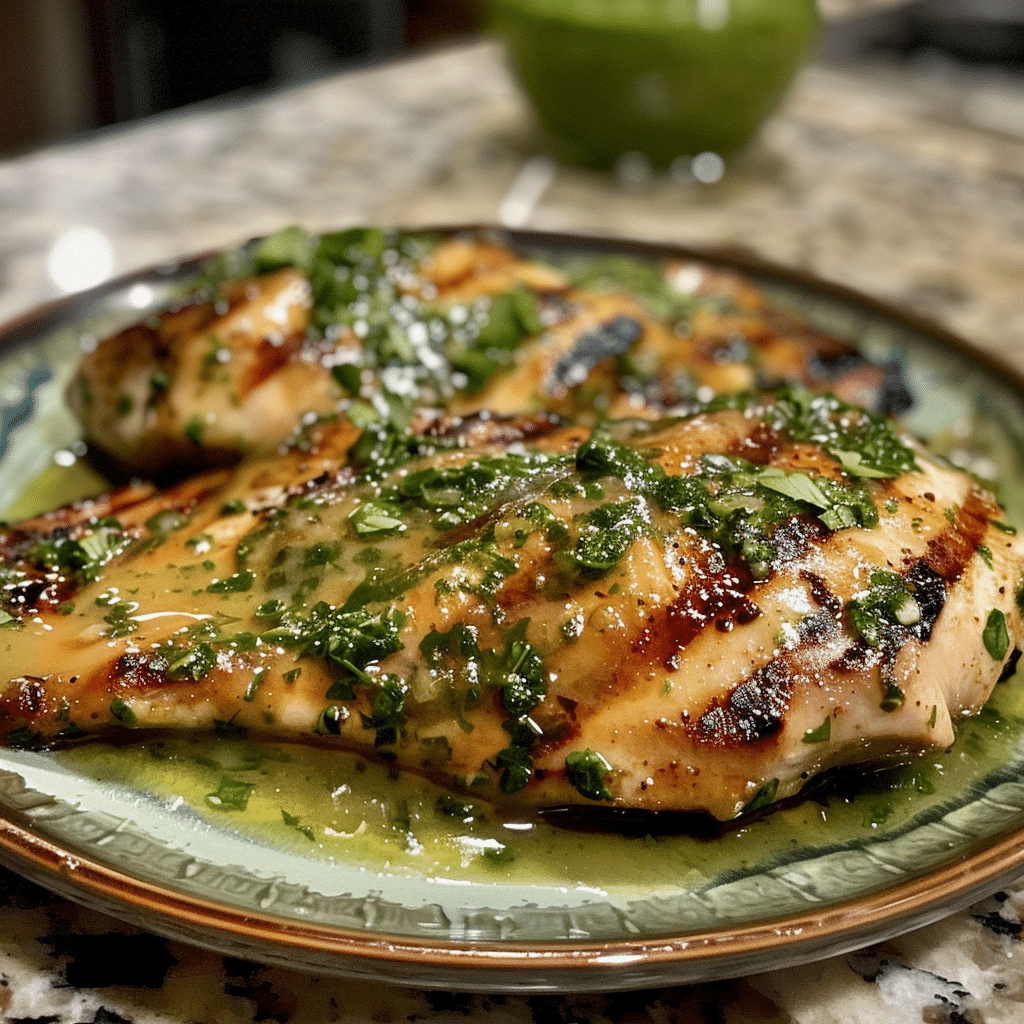
Place the grilled chicken on a hot plate. Spread a thick layer of salsa verde over the flesh (avoiding the skin for browning control). Press a slice of Pepper Jack directly onto the chicken, let the residual heat soften it, then transfer to a low oven (300°F) for 3–5 minutes until the cheese is glossy. Serve immediately with the sauce spooned over the top for extra drama.
The Kitchen Science
Grilled chicken owes its texture to Maillard—controlled searing creates those flavor-rich crusts without overdoing it. The low-temperature method (375°F) balances the protein’s myosin contraction, preserving moisture. For the salsa: emulsification happens when tomatillo sugars bind with lime pectins in the heat. This is what creates the sauce’s clingy texture without gloppiness.
Cheese melting is an art. Pepper Jack’s high water content and low fat mean it emulsifies cleanly, stretching just enough without becoming rubbery. The acid in the salsa (lime) slightly denatures the cheese enzymes, preventing it from pooling too much. It’s this balance that keeps the dish from becoming a cheese tsunami.
Lastly, heat control. The final oven stint ensures even melting without drying out the chicken. Any higher than 300°F and you’ll end up with a cheese crust instead of a smooth layer. These are the silent negotiations that make home cooking feel like a restaurant meal.
Pro-Level Secrets
- Score the skin first. This ensures even fat rendering and better cheese adhesion.
- Toat your spices before marinating. Mexican oregano and pepper flakes in a dry skillet unlock aromatics that fresh chicken absorbs.
- Use a cast-iron pan for the salsa. Its heat retention creates better caramelization and flavor layering.
- Test the salsa heat on your wrist. Jalapeño intensity can vary wildly; adjust to match your cheese’s bite.
- Press the cheese gently. Too much force will tear the chicken—use a spoon’s curved edge to spread it thinly.
- Finish with a drizzle. After the cheese sets, add a few drops of lime juice for that “zing” you’ll miss if you wait too long to serve.
Common Mistakes to Avoid
- Microwave the cheese-Why: High heat kills texture. The solution is low oven finish after grilling.
- Skimp on marinating time-Why: The chicken won’t absorb enough acidity for balance. Let it rest 15 minutes min.
- Use low-quality cheese-Why: It becomes gummy or separates. Look for blocks with visible jalapeño flecks.
- Overload with salsa-Why: It drowns the chicken. Apply half a cup per thigh. Taste as you go.
- Forget the skin-Why: It’s the grilling foundation. Leave it intact to create a crispy barrier.
Creative Adaptations
| Substitution | Impact | Why It Works |
|---|---|---|
| Chicken tenderloin | Faster cooking, leaner texture | Perfect for gluten-free diets or low-fat diets |
| Oaxaca or queso blanco | Smoother, silkier cheese | For those avoiding spicy but craving melt |
| Tomatillo verde paste | Convenience vs freshness | Great for rushed evenings, but lose the “alive” flavor |
| Mexican coriander | Herb swaps for bold flavor | Coriander adds piney heat for adventurous palates |
| Chipotle lime juice | Smoked heat + acidity | Depth for those who adore barbecue undertones |
Plating & Pairing
For ambiance, serve the chicken under a heat lamp or alongside a glowing grill. Place it skin-side up with the cheese oozing—this is the “wow” moment. Garnish with a few fresh jalapeño slices and cilantro leaves for color contrast. Avoid overly busy plating; let the cheese drizzle do the visual work.
Pair with beverages that amplify, not mask. Start with a chilled iced hibiscus tea (agave-sweetened), which matches the tartness of the salsa. For dessert, offer churros with cinnamon-sugar or flan to balance richness without clashing.
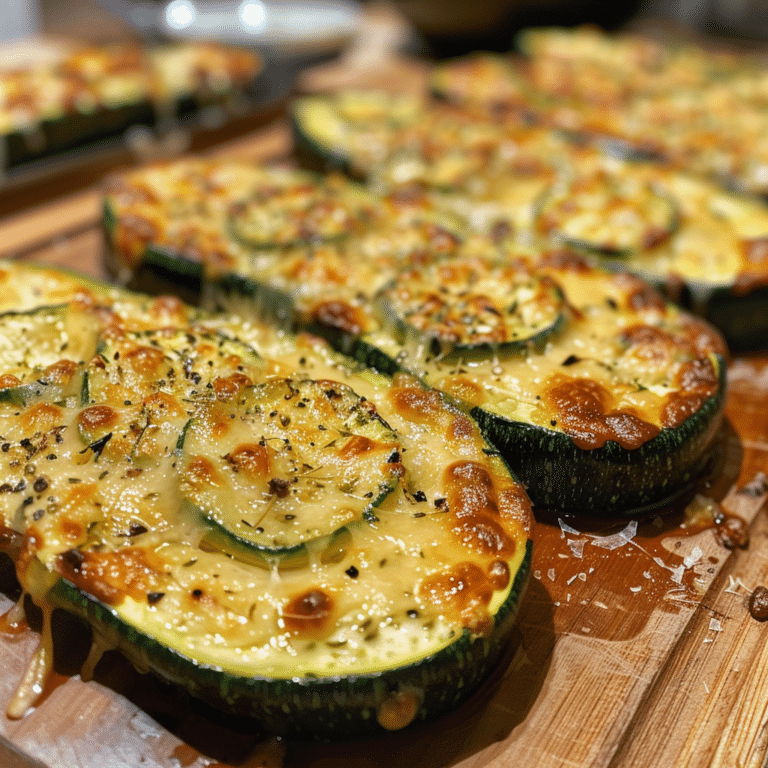
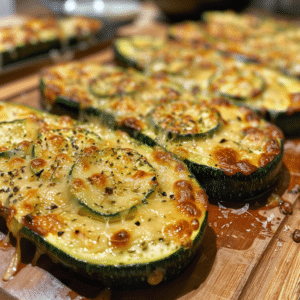
Sides are your allies. Grilled zucchini rounds, seasoned with a touch of chili powder and lime, mirror the salsa’s brightness. Corn tortillas and pickled red onion slices add crunch and contrast for each bite. Skip the rice unless you want to dilute the dish’s drama.
Preservation Guide
| Storage Method | Duration | Best Practices |
|---|---|---|
| Refrigeration | 3-4 days | Store chicken skin-side up in a sealed container. The cheese won’t separate. |
| Freezer | Up to 2 months | Freeze as individual chicken thighs. Let thaw in fridge overnight, recook briefly to restore texture. |
| Reheating | Use for up to 2 days | Reheat in a 350°F oven wrapped in parchment. Avoid microwaving; it ruins the cheese’s melt. |
Questions from Our Kitchen
Can I use pre-shredded Pepper Jack cheese?
Absolutely not. Pre-shredded cheese contains cellulose and starch to prevent clumping, which turns rubbery when melted. For optimal melt, work with a block. If you must use shredded, look for 100% block cheese options, free of additives.
What if my salsa verde doesn’t thicken properly?
Thickening is about emulsification. Add 1/2 tsp xanthan gum or puree and simmer briefly in the cast-iron pan. The Maillard residues from grilled chicken will help bind the ingredients when reheated.
Can I substitute the jalapeños in the salsa?
Yes—but only with milder peppers like poblanos. For heat, use serranos. Note that jalapeños offer a specific smoky-buttery balance. Other peppers may require adjusting acidity and spice levels mid-cook.
How do I test if the chicken is done without a thermometer?
Press the thickest part with a spoon. If the juices run clear and the meat is opaque, it’s ready. Be cautious with bone-in cuts—internal temperature is the safest method.
Why does the cheese sometimes weep?
Weeping means excess moisture trapped during melting. Dry the chicken thighs before assembling. For block cheese, slice it thinly, not thick. This reduces water retention in the cheese’s texture.
Why This Recipe Works
Grilled salsa verde Pepper Jack chicken thrives on balance. The smoky sear of the skin offsets the salsa’s tang, while the cheese adds a velvety, fatty layer that tames the acidity. It’s not a chaotic clash—it’s a deliberate equilibrium. Jalapeños are often used as spice bombs, but here they’re tempered by cheddar, allowing the heat to linger without overwhelming. That’s the secret to a memorable meal.
The grilling time—20 minutes—is carefully calibrated. Chicken thighs, rich in connective tissue, need enough heat to break down collagen but not so much that the muscles tighten completely. This 10-minute skin-side sear, 8-minute flip, method ensures a tender interior. The salsa complements this by staying chunky enough to provide texture but not so acidic that it masks the meat’s natural flavor.
Cheese is the third act here. Pepper Jack melts at lower temperatures than cheddar, making it ideal for this no-fuss recipe. Place the cheese on top while the chicken has residual heat, then finish in a low oven to avoid scorching. This creates a golden sheen and allows the salsa to seep into every crevice before the cheese sets.
And let’s talk about ambiance. This dish smells like campfire meets kitchen, with the charred onion and tomatillo perfume of the salsa. The cheese’s golden hue contrasts with the green sauce, creating visual harmony that elevates plating. It’s a recipe that makes you smell it before you see it—and crave it before the first bite.
The Cultural Soul of Grilled Salsa Verde Pepper Jack Chicken
Salsa verde and Pepper Jack have a love-hate relationship in culinary history. Traditional Mexican chefs dismiss American cheese as industrial, while Texan fusionists champion its boldness. This recipe exists in that gray zone, where innovation honors heritage without being a copycat. It’s a bridge over both worlds.
Tomatillos originated in Oaxaca and Puebla, where they’re roasted and pureed for rich, earthy salsas. The modern twist includes green peppers and lime—a nod to American-style heat and acidity. The result is a sauce that’s both familiar and foreign: you taste the tomatillo’s tartness, the jalapeño’s fire, and the chili’s smolder in every spoonful.
Pepper Jack emerged in the 1960s as a way to market heat to timid palates. Its creamy base (cheddar) tempers jalapeños’ bite, making the fusion of cheese and sauce unique to modern North American cuisine. Grilling, of course, is a Texas tradition, where fire transforms humble ingredients into something unforgettable.
The Step-by-Step Masterclass
Marinating the Chicken
Start by scoring the skin diagonally. This allows the marinade to penetrate and ensures even fat rendering. Prepare a paste using lime juice, Mexican oregano, and crushed red pepper flakes. Coat the chicken thoroughly, then refrigerate for 30 minutes. By this point, the chicken’s color should shift from pale to a translucent amber under the skin—this is your signal it’s ready.
Grilling the Chicken
Preheat your grill for at least 10 minutes. Sear the chicken skin-side down first, using indirect heat. Let the fat render at a steady pace, and listen for the “hiss” that signals perfect caramelization. Flip only once, and cook until the thighs’ juices run clear. Avoid moving the chicken too much—let the heat work its magic. The final internal temperature is 165°F, confirmed with a digital thermometer.
Making the Salsa Verde
Peel and dice the tomatillos (discard husks), finely mince two jalapeños (one seeded for balance), and char red onion slices over medium heat. Sauté everything in a skillet until the onions are browned. Puree with a stick blender while still hot. Test the heat: it should sting lightly but not burn. Adjust with more lime or red pepper flakes if needed. The texture should be slightly gritty for visual and textural appeal.
Assembling the Dish
Carefully place the chicken on a warm plate. Spoon half a cup of salsa over the flesh—avoid soaking the skin, or it’ll soften. Slide a block of Pepper Jack into the oven alongside the chicken for gradual melting. Once the cheese is softened (edges golden), gently press it onto the chicken. Let it rest for 30 seconds before slicing. This allows the cheese to bond and the salsa to reseep into the meat.
The Kitchen Science
This dish is a masterclass in molecular tension. Chicken fat renders at 375°F, creating a thin, crispy layer that locks in moisture. The salsa’s tomatillo acid doesn’t just add flavor—it denatures the chicken’s proteins more evenly. That’s why under-marinated chicken can feel underwhelming, while over-marinated becomes brittle.
The cheese’s melting is a thermal ballet. At 155°F, the cheddar matrix begins breaking down, but at 165°F, the jalapeños’ heat becomes more pronounced. The 300°F oven finish ensures full melting without drying the chicken, leveraging the residual heat from the grill for a seamless transition.
Lastly, the grilling surface itself impacts flavor. Cast-iron retains heat better, giving onions a deeper charred note. This explains why the salsa made in a pan versus a ceramic dish lacks that “campfire” complexity. Tools matter more than you think.
Pro-Level Secrets
- Toat the jalapeños in the pan before slicing. This adds a subtle smokiness that mirrors the grilled chicken.
- Use a meat thermometer. Grilled chicken is a minefield of dryness unless you track that 165°F precisely.
- Reserve a few whole tomatillos for garnish. They provide uncooked tartness that brightens each bite.
- Cook the chicken on a bed of foil for easier cleaning. No more scrubbing stuck-on salsa from your grill grates.
- Balance heat with salt. Too much jalapeño and the cheese can feel flat—season the salsa aggressively.
- Microwave assembly for parties. Layer cooked chicken with salsa and cheese in a microwave-safe dish and zap for 30 seconds. It’s messy but functional.
Common Mistakes to Avoid
- Charring the salsa before adding to chicken-Why this is bad: Over-charred ingredients create bitterness. Solution: Sauté until onions are golden, but remove when they near amber. Taste first.
- Using high-protein chicken-Why this is bad: Skinless, boneless thighs dry out faster. Solution: Stick to skin-on, bone-in for moisture and flavor.
- Skipping the oven finish-Why this is bad: The cheese remains pale and cold. Solution: Add 2-3 minutes in a 300°F oven to achieve that irresistible golden sheen.
- Ignoring heat gradients-Why this is bad: Uniform heat leads to flat flavor. Solution: Adjust grill vents to create hotter and cooler zones for layered doneness.
- Adding the salsa to cold chicken-Why this is bad: It cools the dish and dries the meat. Solution: Assemble the chicken while hot, then finish in the oven.
Plating & Pairing
For maximum effect, serve this dish on a white plate to highlight the salsa’s color. Add a single lime wedge and let the oil from the dish pool naturally—this is where flavor concentration happens. Garnish with fresh cilantro and a few tomatillo halves for visual texture. It’s about contrast in every way, even plating.
Beverage pairing depends on the salsa-to-cheese ratio. A smoky iced tea or a sweet horchata (milk-based) balances the tang without overpowering. For dessert, match flan’s custard richness to the cheese’s melt—both feel decadent but grounded.
Sides are strategic. Grilled zucchini or roasted sweet potatoes add sweetness that tempers the green salsa. Pickled onions provide a sour counterpoint, making the cheese feel lighter. Avoid acidic sauces like pomegranate molasses—it’ll clash with the tomatillo’s flavor.
Preservation Guide
| Storage Method | Duration | Best Practices |
|---|---|---|
| Refrigeration | 3-4 days | Wrap chicken in parchment soaked in lime juice. Store in airtight containers to maintain moisture. |
| Freezer | Up to 2 months | Flash-freeze chicken post-grilling (unfilled). Thaw in fridge overnight, then recook and reapply the salsa. |
| Reheating | Use within 2 days | Warm in a 350°F oven wrapped in foil. Add 1 tbsp water to the pan to avoid dryness during reheating. |
Questions from Our Kitchen
Can I make the salsa ahead?
Yes, but keep it refrigerated. The salsa’s texture separates over time, so stir it before assembly. Avoid freezing it—it loses the jalapeño’s freshness.
How do I know when the oven finish is complete?
The cheese is golden and slightly bubbly. If it starts to brown too deeply, reduce heat to 275°F and finish with a spoon’s gentle stir of the top (don’t flip). Monitor for 1-2 more minutes if needed.
What makes this salsa different from traditional verde?
Classic salsa verde skips the lime’s citrus and uses tomatillos as the sole base. This recipe adds jalapeños for modern heat and balances them with onion and garlic for depth.
Can I use a gas vs charcoal grill?
Charcoal adds a smokier, bolder flavor. If using gas, preheat for 15 minutes to build residual heat. Use indirect grilling to mimic the same temperature gradients.
Why does my chicken sometimes taste bland under the cheese?
The cheese masks the chicken’s seasoning unless you marinate aggressively. Add a pinch of smoked paprika post-grill to the top of the salsa for depth.
Grilled salsa verde Pepper Jack chicken isn’t just a meal—it’s a story. A story of how tomatillo sweetness can stand up to cheese, how grilling transforms protein, and how heat isn’t an enemy to balance but a partner. With every sear mark and melt of cheese, you’re not making food; you’re making memory. Serve it hot, with confidence, and watch the faces of those who bite into it. This isn’t just dinner. It’s a revelation.
Grilled Salsa Verde Pepper Jack Chicken
- Total Time: 45
- Yield: 4 servings 1x
Description
A zesty fusion dish where smoky grilled chicken meets tangy salsa verde and melted Pepper Jack cheese. The perfect balance of crispy char, creamy cheese, and bright acidity for a show-stopping BBQ meal.
Ingredients
4 bone-in chicken breasts
8 oz pepper jack cheese, sliced
1 cup tomatillos, peeled and chopped
2 garlic cloves, minced
1 lime, juiced
1 jalapeño, finely chopped
1 tbsp olive oil
1 tsp ground cumin
1 tsp smoked paprika
1/2 tsp salt
1/4 tsp black pepper
Instructions
Preheat grill to medium-high heat (375°F/190°C)
Combine tomatillos, garlic, lime juice, jalapeño, olive oil, cumin, paprika, salt, and pepper in a blender; puree into salsa verde
Season chicken evenly
Place cheese slices between chicken breasts, folding edges to enclose
Grill chicken for 6-7 minutes per side or until internal temperature reaches 165°F
Brush with salsa verde during the last 2 minutes of grilling
Let rest 5 minutes before serving
Notes
Use a meat thermometer for perfect doneness
For vegetarian version, substitute chicken with grilled portobello mushrooms
Cheese stuffing melts completely if you let rest 5 minutes
Store leftovers in airtight container for 2-3 days
- Prep Time: 25
- Cook Time: 20
- Category: Dinner
- Method: Grilling
- Cuisine: Mexican-Texan
Nutrition
- Serving Size: 1 chicken breast
- Calories: 420
- Sugar: 3g
- Sodium: 650mg
- Fat: 30g
- Saturated Fat: 18g
- Carbohydrates: 15g
- Fiber: 2g
- Protein: 38g
- Cholesterol: 120mg