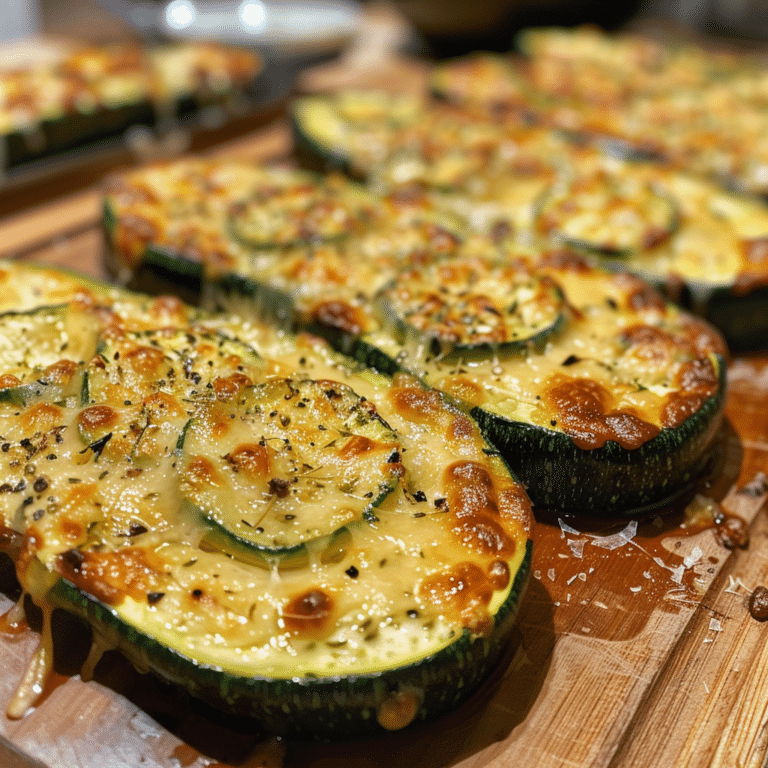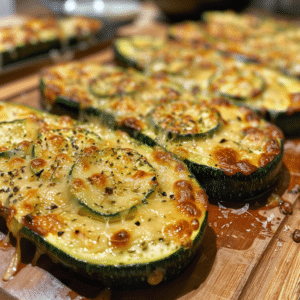
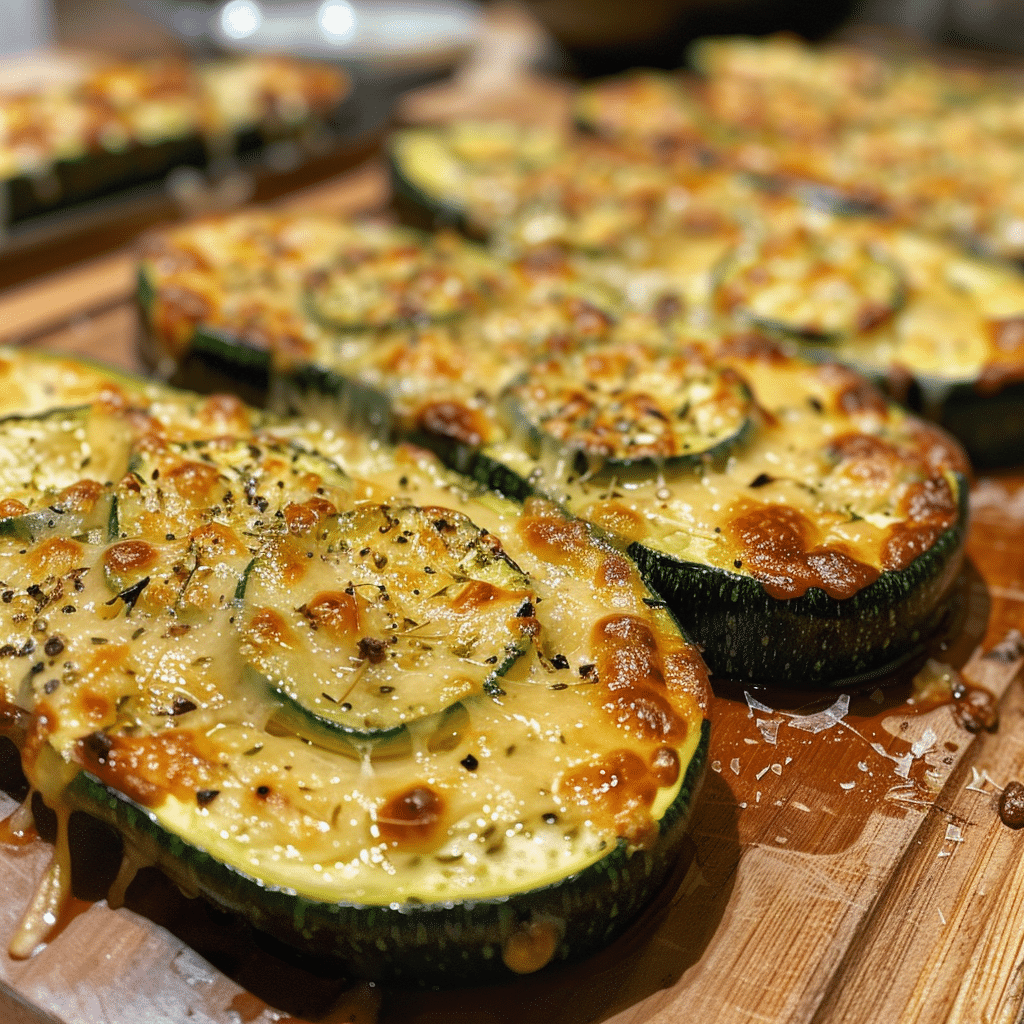
The golden crisp of garlic caramelized against the sear marks paints a map of umami across each zucchini steak. Cheese oozes from within like molten sunshine, clinging to the charred edges with a promise of buttery warmth.
This is not just a side dish. It is a culinary standoff between earthy vegetables and indulgent cheese, engineered for those who crave flavor without the carbs. The scent of roasted garlic alone should make your mouth water as you slice through the tender flesh.
Let’s begin with the recipe overview:
Recipe Overview
- Prep Time– 20 minutes
- Cook Time– 30 minutes
- Total Time– 50 minutes
- Servings– 4
- Difficulty– Moderate
- Cuisine– Mediterranean-American fusion
Why This Recipe Works
The diameter of zucchini transforms cues when sliced thickly. At 1-inch slabs, the flesh retains its moisture while forming a crust. Unlike thinner rounds that collapse, this structure defies sogginess. Garlic, when bound in butter and pressed into brinemarks, becomes a radiant whisper of flavor. The cheese? Parmesan and mozzarella create a gradient: hard to melt, then golden streams. Salt crusting the surface draws moisture upward, enabling Maillard reactions quicker, hotter.
The method is ruthless with heat. Initial sear at 400°F ensures the skin blisters but does not burn. Rotated 45 degrees creates crosshatch patterns – essential for both aesthetics and uneven heat distribution. Each mark becomes a channel for cheese flavor to intermingle with vegetable sugars.
Low-carb adaptations benefit from the richness of dairy. No starchy sides needed when the cheese itself becomes textural punctuation between bites. This is a recipe that rewards attention to crust color, sauce reduction timing, and cheese-preference experimentation.
The Cultural Soul of Cheesy Garlic Zucchini Steaks
Zucchini’s journey from uncontested garden menace to gourmet marvel took generations. Immigrants from Italy in the early 20th century brought summer squashes, but it wasn’t until postwar America’s backyard bounty that chefs began treating it as anything other than filler.
The steak concept emerged in the 1970s California farm-to-table movement. Chefs like Alice Waters sliced zucchini thickly and grilled them, mimicking the thickness of beef porterhouse. Garlic and cheese both arranged a convenient truce between rustic Italian simplicity and modern American decadence.
The fusion works because zucchini shares structural similarities with eggplant, and like eggplant, it cradles savory elements beautifully. Parmesan as topping while mozzarella inside acts similarly to tomato in mozzarella salad – contrasting softness and hardness, stretch and brittleness. This dish is essentially a vegetable lasagna in shape but with a rebellion against layering rules.
Keep checking kitchens across the Pacific Northwest – this dish first gained traction where fresh produce abundance meet dairy innovation.
The Elements of the Dish: Ingredients for Cheesy Garlic Zucchini Steaks
- 1 lb Very ripe zucchini: Skin roughness doesn’t matter, but firm meat beneath is essential. Choose ones with visible seeds in cross-section for natural moisture channels.
- 8 cloves Large garlic, peeled: Minimum 8 cloves for depth – whole cloves retain clove-specific flavor profiles, unlike pre-minced.
- 4 tbsp Unsalted butter: The fat hydrates the garlic mixture and prevents burning during long browning.
- 1 ½ cups Shredded mozzarella: Fresh mozzarella releases more liquid, while shredded pre-grated melts unevenly – this balance is strategic.
- ¼ cup Grated Parmigiano-Reggiano: Break down into fine specs with a microplane for better adhesion and texture contrast.
- 2 tsp Lemon zest: Use unwaxed lemons, save the juice for brushing on the far side during searing.
- 1 tbsp Dried thyme: Fresh adds moisture; dried contributes more volatile oil concentration per gram.
- ½ tsp Sea salt: Finely milled salt cuts faster through the spongy zucchini exterior for rapid seasoning absorption.
- 1 tbsp Ground black pepper: Must involve whole peppercorns for maximum mouthfeel impact despite low quantity.
- ¼ cup Olive oil: Add just 1 tbsp during cooking; the rest balances acid in the lemon later.
- 1 tbsp Balsamic vinegar: Adds acidity to balance richness and cut cheese flavor like a white wine reduction.
- 8 sprigs Fresh basil: Garnish, but added raw at the end preserves enzymatic freshness. Avoid boiling during cooking.
The Editor’s Guide to Sourcing
Never underestimate the role of zucchini selection. The best specimens have ivory-white flesh with no green shades beneath the skin, indicating effective sugar accumulation. Avoid those with deep grooves – these wizened versions often have bitter edges from overexposure to sun.
Garlic quality matters. Portuguese mold garlic maintains intensity where others lose it, but this is only useful when not worrying about allicin content. For our recipe, focus on bulbs with dry, papery skin – fresh but not living. Resist peeled garlic in jars for this technique; it’s missing the sulfur compounds that form Maillard reactions through their oils.
Mozzarella sourcing is a compromise. Either use a mild, tender fresh type or aged varieties with stronger bite. Avoid pre-shredded, as manufacturers coat it in cornstarch to prevent clumping – the starch will interfere with cheese flow.
Parmigiano-Reggiano purchased in-store vs market precut matters less for this dish than for grated sprinkles, but the flavor depth from authenticated DOP wheels is worth the corner store price difference. Also, the texture changes dramatically depending on moisture level, particularly important here where we want it to grip the zucchini edges as a cheese shell.
Olive oil must be of medium intensity – not overpowering rocket fuel, not bland domestic. If taking zeppelin-sized risks, use a pomace blend to preserve carbon deposited from searing onto the zucchini strip surface.
The Step-by-Step Masterclass
Phase 1: Garlic Butter Preparation
- Preheat oven to 375°F. Place 4 peeled garlic cloves in small saucepan with 2 tbsp butter. Cook over medium-low 10-12 minutes until cloves are very soft and butter turns golden. Squeeze garlic from skin and blend into sauce.
- Strain butter through fine mesh sieve, discard solids. Add 1 tsp sea salt, ½ tsp pepper, 1 tbsp balsamic. Set warm – this expects to be brushed during searing.
Phase 2: Zucchini Sculpting
- Cut zucchinis lengthwise at 1” thickness, then shape each slice on mandoline to ¼” consistent depth. Arrange on dish lined with paper towel, pat dry attentively. Leave at room temperature 10 minutes to evaporate more moisture.
- Cosmetically season both sides with pepper, thyme, then salt. After brining what exists, the salt draws flavor upward. Zucchini fiber channels the sensation much like marbling does in prime beef.
Phase 3: The Crust Burn
- Heat 1 tbsp olive oil in heavy skillet (preferably cast iron for temp retention) over high. Sear faces until deep brown – 2 minutes per side. A tissue-thin layer of moisture should lift away from the pan before sticking occurs, this is the exact moment to flip.
- Immediately apply lemon zest and garlic butter to one side. Battling steam release from cheese placement during searing is futile. Instead, we delay cheese introduction until the pan is in control.
Phase 4: Cheese Injection
- Divide mozzarella evenly between four zucchini slices. Press gently until adhering – the melted sugars from searing help cheese stick. Do not overpack. Remember, we want cheese spread past the zucchini edges to form crust.
- Cover for 5 minutes until cheese begins bubbling. Rotate pan if hotspots create distinguishing cheese textures on visible sides. Avoid touching during active cheese fusion.
Phase 5: Final Touch with Acidity
- Remove zucchini to wire rack. Brush remaining garlic butter and 1 tbsp lemon juice over top surfaces. Top with Parmigiano shavings and basil leaves for plate garnyling.
- Let rest 5 minutes – resting transforms mozzarella from plastic-like consistency to stretchy, fatty silk. This is the final step before serving, not refrigeration required.
The Kitchen Science
Maillard reactions thrive at 300°F+ on proteins and sugars in zucchini. More precisely, the sugars (glucose, fructose) and amino acids (from thyme, Parmesan) form complex, golden-brown compounds – specifically, diacetyls and furans. The garlic charring creates pyrazines for nutty notes.
Moisture control is critical. Zucchini contains 95% water naturally. Drying before searing minimizes steam bursts that would wash away garlic butter. During cheese application, residual moisture from zucchini flesh melts the cheese rapidly – this is why we can substitute higher heat melting with time in our oven phase.
Acidity cuts the richness via palate asset disruption. The balsamic vinegar’s acetic acid binds with free fatty acids in cheese, preventing them from overwhelming the palate. This science is what makes the cheese taste less greedy, even while maintaining mouthfeel splendor.
Pro-Level Secrets
- Use zucchini with natural air pockets for best cheese flow – these voids create pocketless cheese walls without container limitations.
- Apply salt before water spacing out to season effectively alongside oils during searing. Oil’s molecular structure engulfs saltier flavors like smaller boatloads in a fat tsunami.
- After searing, the pan’s residual heat should continue melting cheese without sticking – if cheese adheres too aggressively, your butter ratio was off.
- Invest in a probe thermometer. Aim for 190°F internal in zucchini to ensure doneness while keeping edges intact. When fat content drops too low in the core, the texture yellows and becomes fibrous.
- Add a thin sliver of Parmesan on the surface post-searing. Even small quantities create a knife-kissed edge complexity beyond previously layered cheese.
- Finish with crushed pink peppercorns – their sweet/rough contrast inside the fatty cheese butter layer improvise cartography between expected dishes.
Common Mistakes to Avoid
- Problem: Zucchini becomes sludge. Why: Overmelting or underdraining. Solution: Slice thin (¼”) with paper towel dehydration.
- Problem: Cheese collapses. Why: Low-fat mozzarella with poor structural integrity. Solution: Substitute fresh mozzarella with feta or Monterrey Jack in a pinch.
- Problem: Burnt garlic. Why: Thick butter layer over raw garlic. Solution: Cook garlic half-isolated or test with less butter first.
- Problem: Wasting time on skim zucchini. Why: Don’t equate dryness with flavor absorption – required moisture for cheese melt. Solution: Balance by using small water pockets in the zucchini core.
- Problem: Leaving oven unmonitored. Why: Cheese melting is linear but zucchini cooking isn’t. Solution: Always watch the pan during cheese melt phase.
Creative Adaptations
| Base Ingredient | Substitution | Impact |
| Zucchini | Eggplant | Requires longer drying to shed moisture, cheese integrates more slowly |
| Garlic | Miso paste | Builds salt flavor upfront, less acidity balancing needed at end |
| Mozzarella | Feta | More crumbly texture, higher salt content balances richer zucchini |
| Balsamic | Apple cider vinegar | Offers sweetness component and tartness balance efficiently |
| Basil | Oregano | Supports Italian flavor dimensions alongside Parmesan |
Plating & Pairing
Presentation is all in dish contrast. White plates highlight golden texturing across zucchini, while dark plates mute color but emphasize meaty-surface texture. Consider pairing with aioli garnishes for hand-held enjoyment.
Non-alcoholic pairings: Serve with cold water infused with cucumber to cut richness. Herbal iced teas with hibiscus add brightness. For a low-carb companion, match with a green and red rotisserie salad dressed in tahini vinaigrette.
Side dishes that properly magnify flavors include: oven-roasted bell peppers, sautéed leeks seasoned with thyme, and grilled asparagus with Parmesan. Avoid any starch-heavy sides which compete for flavor dominance on the plate.
Preservation Guide
| Storage Method | Duration | Tip |
| Refrigerator | 3-4 days | Keep cheese side down to prevent moisture pooling |
| Freezer | 2 months | Microwave in ziplock bags sets the cheese texture again when reheated |
| Reheating | n/a | Broil 2-3 minutes to re-crisp the top, cheese may set unevenly |
Questions from Our Kitchen
Can I use Parmesan substitutes with dairy allergies?
Yes, nutritional yeast provides umami depth and cheese color. Add ½ tbsp to mozzarella batch for flavor imitation. Note that it will not melt in the same way so consider this a sauce addition rather than direct substitution.
What about pre-cooked mixes from grocery stores?
Factory-generated garlic butter patties will work but sacrifice texture gradients. At minimum, look for products with < 10% vegetable oil to avoid negatively affecting sear development. Read labels carefully for uncontrolled moisture ingredients.
How do I trouble the cheese from over-melting in the oven phase?
Try laying Parmesan strips lengthwise across top halfway through the heating phase. Their higher moisture bonding prevents mozzarella from losing shape. This method mirrors classic lasagna layering principles adapted to garden vegetables.
Can I make this vegetarian instead of low-carb?
Absolutely. Replace the cheese with a blended cashew and nutritional yeast mixture. The oil richness comes down significantly, but fat content can be restored by adding 1-2 tbsp ghee to the garlic butter preparation phase. Remember to toast cashews first for improved depth.
What about using a gas vs electric oven?
Gas ovens have more heat pulse for humidity variations. For evenness, lightly score zucchini steak surfaces with a paring knife before searing when using gas. Electric ovens provide more consistent browning, so direct cheese application after searing is more reliable with less need for mid-cook watches.
There’s no reason this Cheesy Garlic Zucchini Steak shouldn’t be your go-to showstopper today. With just a spring zucchini and your kitchen dedicated to proper searing, you have a perfect dish that marries simplicity and sophistication. The only question is – who will ask for seconds first?
Cheesy Garlic Zucchini Steaks
- Total Time: 50
- Yield: 4 servings 1x
- Diet: Vegetarian
Description
Thick zucchini slices are seared to golden perfection, filled with melted mozzarella, and topped with savory garlic-parmesan crust. A low-carb, dairy-rich fusion of Mediterranean and American flavors that mimics the decadence of vegetable lasagna.
Ingredients
4 large zucchinis
4 garlic cloves, minced
4 tablespoons unsalted butter
1 cup shredded mozzarella cheese
1/2 cup grated Parmesan cheese
1 teaspoon kosher salt
1/4 teaspoon black pepper
2 tablespoons olive oil
Fresh thyme leaves (optional garnish)
Instructions
Preheat oven to 375°F (190°C)
Use a mandoline or sharp knife to slice zucchinis into 1-inch thick steaks
Pat steaks dry with paper towels and score the top with a knife in a crisscross pattern
In a small bowl, mix minced garlic, 2 tablespoons butter, salt, and pepper
Place zucchini steaks on a baking sheet, spread garlic butter into the scored crevices, and let rest for 10 minutes
Heat olive oil in a cast-iron skillet over high heat (400°F) until shimmering
Sear zucchini for 4 minutes, rotate 45 degrees, and sear for 3 more minutes
Repeat on the other side until browned
Top each steak with mozzarella and Parmesan
Transfer to oven and bake for 10 minutes until cheese is melted and golden
Garnish with fresh thyme
Notes
For best results, use summer zucchini for higher moisture content
Substitute mozzarella with fontina or Gouda for different flavor profiles
Cover leftovers tightly and refrigerate for up to 2 days
Add lemon zest to butter mixture for a Mediterranean twist
- Prep Time: 20
- Cook Time: 30
- Category: Dinner
- Method: Searing & Baking
- Cuisine: Mediterranean-American fusion
Nutrition
- Serving Size: 1 steak
- Calories: 250
- Sugar: 3g
- Sodium: 600mg
- Fat: 15g
- Saturated Fat: 8g
- Carbohydrates: 10g
- Fiber: 2g
- Protein: 12g
- Cholesterol: 50mg