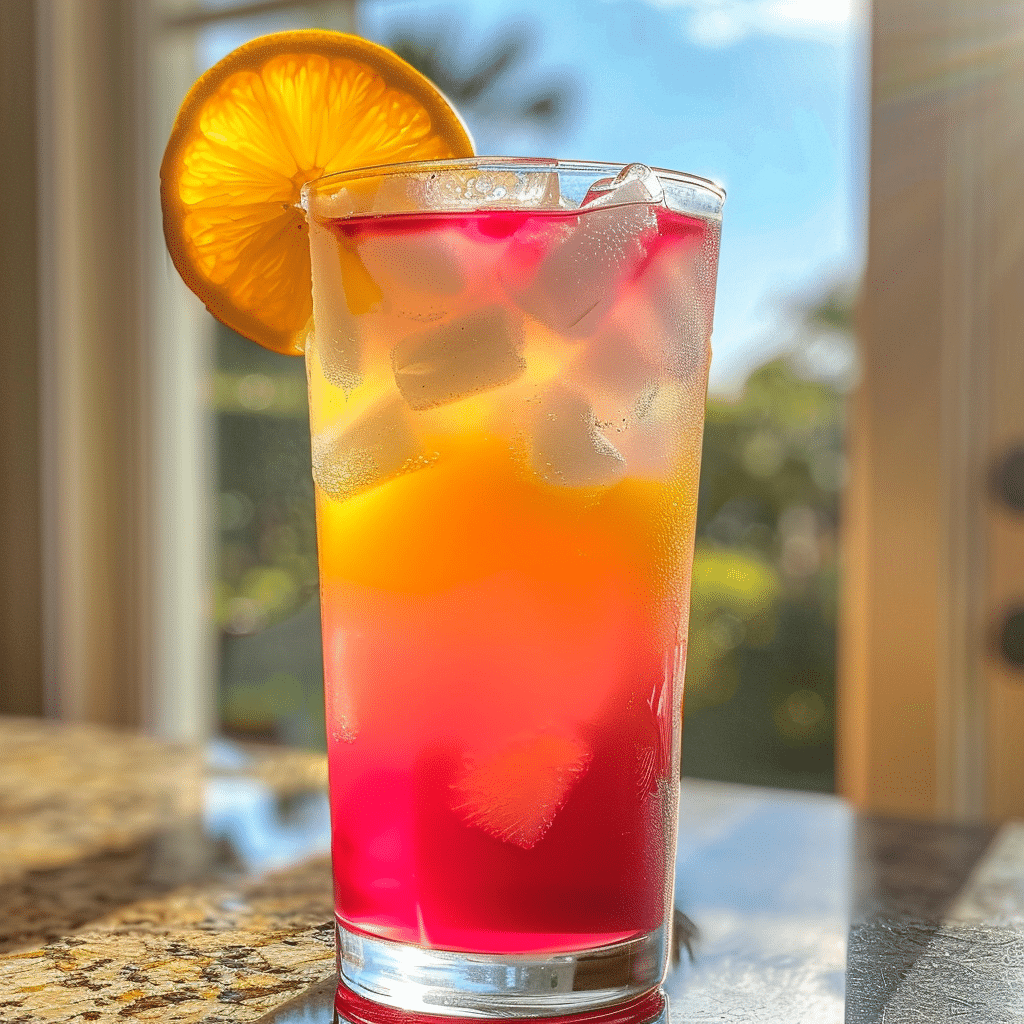
The moment the chilled glass touches your lips, the lemonade bursts with sunripened mango sweetness, tangy hibiscus floral notes, and a zing of bright citrus. Each sip is an edible fireworks display of color and flavor, painted deep pink by raw hibiscus petals and sparkling like liquid gold in the afternoon light.
Cooking this drink is not just about mixing fruit and water—it’s about sculpting clarity, extracting boldness from delicate flowers, and balancing primal sweetness with elegant acidity. The result? A beverage that dances on the tongue yet satisfies the soul.
The lemons绽开 their citron zest, the mangoesyield their honeyed pulp, and the hibiscus blooms crumble into a tart-rose elixir. Every element must harmonize in this tropical symphony.
- Prep Time-30 minutes
- Cook Time-20 minutes
- Total Time-50 minutes
- Servings-16 cups
- Difficulty-Beginner
- Cuisine-American Latin Fusion
Why This Recipe Works
Hibiscus flowers act as natural pH indicators, intensifying their ruby color as the lemonade simmers. This vibrant hue isn’t just for show—it signals the gradual release of tart antioxidants hidden in each crimson petal. When contrasted with the mango’s creamy sweetness, the result is a tense, thrilling balance that lingers on the palate like a sun-kissed volleyball game by the shore.
The first step—steeping the hibiscus—requires patience. Watch as the hot water unlocks a flavor profile somewhere between pomegranate and cranberry, with botanical undercurrents of clove and cinnamon. This depth transforms basic lemonade into an exotic tiki-lounge experience without leaving your kitchen.
Chunky mango puree adds body and mouthfeel, while fresh lemon juice provides clean acidity to cut through the fruitiness. The final touch—sugar syrup—should dissolve like autumn mist into summer air, creating layers of complexity that unfold with each cool sip.
The Cultural Soul of Mango Hibiscus Lemonade
This drink emerged from the creative crossroads of Caribbean and Mexican traditions. Hibiscus tea (jamaica) has been sipped in Mexico for centuries, prized for its bold flavor and health benefits. Meanwhile, tropical mangoes from the Philippines brought their syrupy sweetness to the Spanish colonial trade routes. The marriage of these elements created a new drink that honors ancestral techniques while embracing modern fusion.
In late 2000s Miami, mixologists began experimenting with hibiscus-infused cocktails to capture the vibrant spirit of Latin America. The addition of mango—already a staple in Caribbean beverages—added the missing tropical sweetness. The resulting lemonade became a symbol of cultural blending, served in beachside cafes and backyard patios alike.
Today, this recipe represents more than a refreshing drink. It embodies resilience and creativity, thriving in both urban kitchens and rural orchards. Its deep pink color and effervescent flavor make it the unofficial ambassador of summer feasts and harvest celebrations.
The Elements of the Dish
- 3 fresh hibiscus flowers: Choose deep red, crisp petals free of fertilizer. They must be washed thoroughly to remove bitter-green stems
- 2 Ripened mangoes: At peak sweetness, they should yield slightly to touch yet remain firm enough to avoid watery results
- 8 organic lemons: Seek out lemons with tight, lustrous peels and heavy weight to ensure maximum juice
- 6 chopped ripe strawberries: These provide extra acidity and visual contrast against hibiscus tones
- 4 ounces loose-leaf hibiscus tea: Loose flowers allow full extraction without the bitterness of pre-packaged tea bags
- 1 cup unrefined sugar: Turbinado or panela sugar adds complex caramel notes, versus pure cane for a cleaner sweetness
The Editor’s Guide to Sourcing
For hibiscus, seek out organic, handpicked flowers at your farmers market. Avoid imported varieties treated with preservatives. If using hibiscus tea bags, look for 100% pure duda or jamaica—no fillers or additives.
Mangoes must be hand-ripened on the tree, not artificially gassed in warehouses. When selecting, press the stem end gently and listen for a slight give. Tree-ripened mangoes yield to touch like over-ripened bananas without any over-rot.
For lemons, opt for small Persian lemons to avoid the bitter pulp of large grocery store varieties. Their thin skins and concentrated juice deliver the precise acidity needed for balance without adding unnecessary water content.
Sugar choice affects the final product dramatically. Turbinado sugar maintains subtle molasses flavor while dissolving cleanly. White sugar offers pure sweetness, but forfeits the depth turbinado brings to the hibiscus-brine.
Invest in a good lemon juicer—it should extract the maximum tang without bruising the delicate citrus oils. For mango, a sharp filleting knife produces cleaner chunks than blenders, which can introduce starchiness.
The Step-by-Step Masterclass
Phase 1: Flower Infusion
Rinse 3 cups of hibiscus flowers under cold running water. Place in a 2-qt pot with 4 cups of filtered water. Simmer over medium heat, whisking occasionally until the liquid deepens to a wine-red broth (about 20 minutes). Strain with fine mesh and discard solids.
Visual Cue: The liquid should reduce by 25% and develop a syrupy texture that coats your spoon
Phase 2: Fruit Balancing
Puree 2 ripe mangoes in a food processor until smooth. Add 6 chopped strawberries and pulse to retain some texture. Pour into a straining funnel and press with a spatula to create a thick pulp. You’ll need about 1 cup of liquid for balance with the hibiscus tea.
Visual Cue: The mango mixture should look like liquid gold with lingering fruit sediment (don’t strain too fully)
Phase 3: Syrup Creation
Combine 1 cup sugar with 1 cup water in a saucepan. Heat gently with a rubber spatula, swirling until fully dissolved. Let cool completely before adding to lemonade mixture.
Final Assembly
Combine hibiscus tea, mango pulp, and 1 cup (plus a bit more for taste) of fresh lemon juice in a large pitcher. Taste and adjust: add more strawberries for acidity, more lemon juice for brightness, and/or more sugar syrup for sweetness. Chill for 1 hour before serving.
The Kitchen Science
Extracting hibiscus flavor involves both oxidation and heat therapy. The hot water shocks the flower cells, bursting membranes to release anthocyanins (the red pigments) and tart tannins. These compounds bind with the acidic lemon juice, creating the ruby-red hue.
The mango puree adds pectin, a natural thickener that stabilizes the beverage against liquid separation. This is crucial—isolated hibiscus tea would simply dilute with time, but the fruit pulp provides a matrix for flavor retention.
Sugar acts not just as sweetener but as emulsifier. When dissolved properly, sucrose molecules interact with water and fat-soluble compounds, creating a more cohesive drink structure. This why low-quality commercial lemonade deteriorates quickly—it lacks this stabilizing balance.
Pro-Level Secrets
- Add a peppercorn during hibiscus steeping for subtle spicy complexity
- Swirl maple syrup instead of granulated sugar for different sweetness notes
- Use a hot water bath to dissolving sugar for absolute clarity
- Press lemons over strainer with fingers (not juicer) for optimal oil extraction
- Add a splash of tamarind puree for authentic Mexican-style tang
- Chill all components before mixing to avoid dilution from ice
Common Mistakes to Avoid
- Over-extraction – Why: Hibiscus becomes bitter after 30 minutes. Solution: Time tightly and cool immediately after batch
- Too Much Sugar – Why: Masks the hibiscus tartness. Solution: Add half then taste
- Inferior Lemons – Why: Grocery lemons add bitterness. Solution: Use Persian lemons
- Room Temp Liquids – Why: Hibiscus harshness overwhelms. Solution: Chill all components before mixing
- Top with Ice – Why: Dilutes the perfect balance. Solution: Serve over frozen mango cubes
Creative Adaptations
| Substitution | Flavor Impact |
|---|---|
| Soursop pulp instead of strawberries | Adds creamy tropicality with green mango sweetness |
| Guava soda instead of water | |
| Chia seeds added at end | Enhances thickness while providing crunch |
| Vanilla bean paste | Softens acidity with warm spiciness |
Plating & Pairing
Serve in heat-resistant glass hip flasks for dramatic color visibility, or tiki mugs to emphasize tropical theme. Garnish with hibiscus petals and mango slices for visual continuity. For outdoor service, use copper cups to keep cold without condensation.
Pair with grilled chicken skewers marinated in chipotle and pineapple, or classic Mexican-salsa tostadas that contrast the lemonade’s acidity. Avoid acidic dishes and instead opt for rich, fatty proteins to create flavor balance.
Preservation Guide
| Storage Method | Duration | Reheating Notes |
|---|---|---|
| Fridge (sealed glass) | 3 days | Stir well before serving as hibiscus settles |
| Freezer (individual cups) | 2 months | Thaw in fridge and blend briskly to restore texture |
| Canning (as lemonade syrup) | 1 year | Mix with fresh water before serving |
Questions from Our Kitchen
Can I skip the hibiscus?
Absolutely—but you lose the vibrant color and tart dimension. Substitute 1/4 cup cranberry juice for tanginess and add a drop of red dye for visual impact. The flavor profile becomes a basic tropical blend rather than the signature hibiscus-mango synergy.
How to make it vegan?
No modifications needed—this lemonade naturally contains no animal products. Ensure store-bought sugar is vegan (avoid beeter filters). For guaranteed purity, use turbinado or organic cane sugar.
Can it be made without a juicer?
Yes! Hand-squeeze lemons by grasping in fist and squeezing against the sink to extract maximum juice. For mango, use a spoon-inverted-hand maneuver to scrape fruit from skin. A fine-mesh strainer will still capture moisture effectively.
Why add strawberries?
Strawberries contribute three elements: 1) natural acidity to balance mango sweetness, 2) visual pink contrast against hibiscus red, and 3) a structured texture through pulp thickness. Fresh berries are ideal, but frozen (thawed) work in a pinch.
How to upscale this recipe?
Inspire your kitchen with a tower game: Create three temperature variations – 1) chilled classic version, 2) room temp sparkling with carbonation, and 3) hot hibiscus-infused avocado lime broths. This trio becomes a culinary experience of temperature contrasts and flavor evolution.
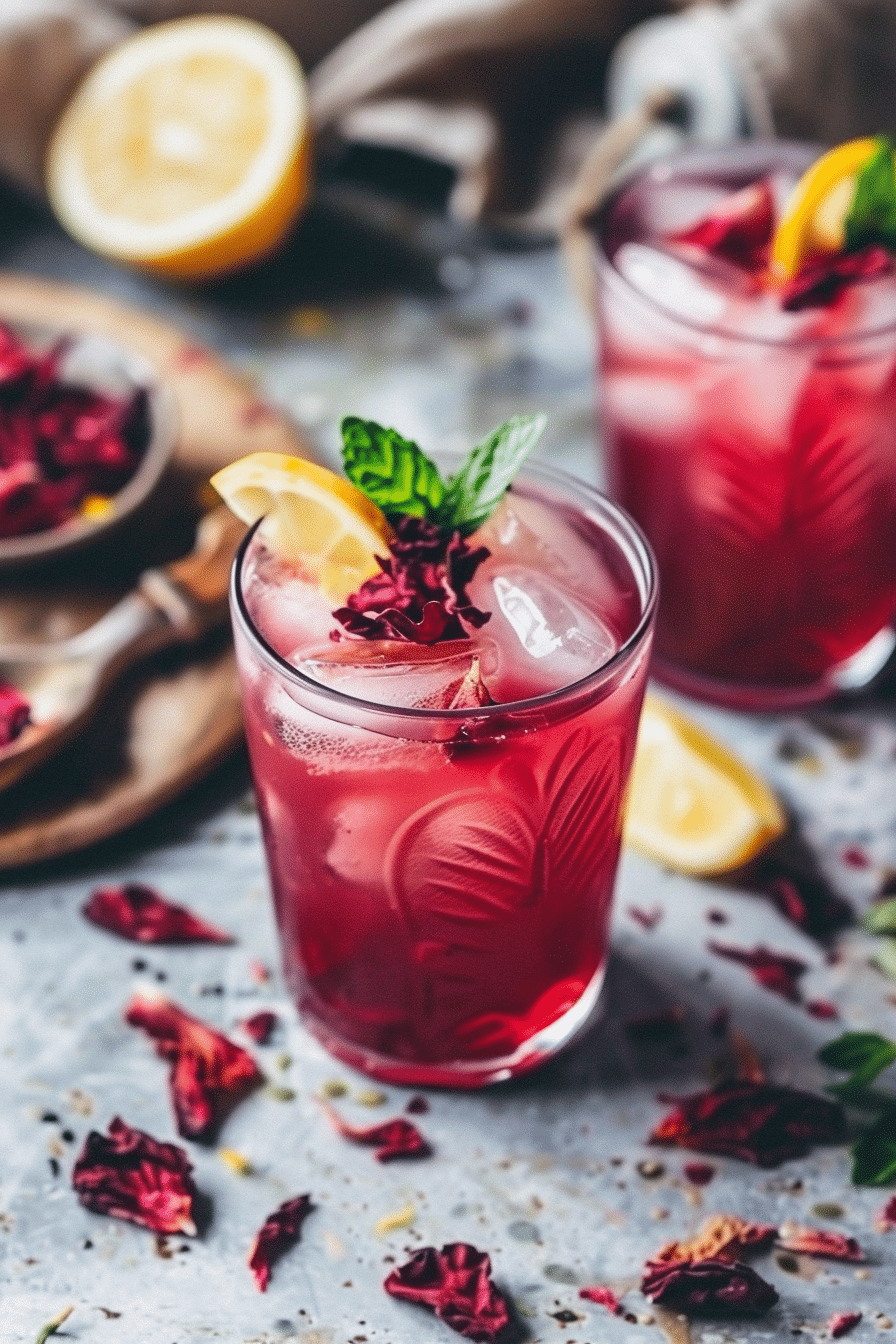
Create this mango hibiscus lemonade with intention and care. Each ingredient brings its own story to the pitcher, and your role is the curator of their harmony. When you pour this deep pink liquid masterpiece into a glass, you’re not just serving a drink—you’re crafting an experience that connects your table to sun-drenched orchards and ancient traditions. Now that you’ve mastered the science and soul of this beverage, it’s time to share your summer with your loved ones.
Print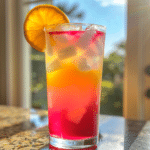
Mango Hibiscus Lemonade: A Summer Elixir of Color and Flavor
- Total Time: 50
- Yield: 16 cups 1x
- Diet: Vegetarian
Description
A vibrant fusion of sun-ripened mango, tangy hibiscus, and bright lemon zest. This tropical elixir blends floral notes with sweet-tart layers, creating a refreshing drink perfect for summer.
Ingredients
1 cup hibiscus flowers (dried, unsweetened)
4 cups water (divided)
1 1/2 cups granulated sugar
Zest and juice of 6 lemons
2 ripe mangoes, peeled and chopped
1 cinnamon stick (optional)
2 whole cloves (optional)
Instructions
Bring 2 cups water to a boil. Add hibiscus flowers, cinnamon, and cloves. Reduce heat, cover, and steep for 15 minutes.
Strain the hibiscus tea into a large pitcher. Discard solids.
In a blender, puree chopped mangoes until smooth. Set aside.
In a saucepan, combine 2 cups water, sugar, and lemon zest. Cook over medium heat until sugar dissolves, then remove from heat.
Stir in lemon juice and mango puree into the hibiscus tea.
Chill the lemonade in the refrigerator for at least 1 hour before serving.
Notes
Adjust sweetness by modifying the sugar quantity. For a smoother texture, strain the mango puree. Substitute hibiscus tea with store-bought versions if available. Serve chilled over ice.
- Prep Time: 30
- Cook Time: 20
- Category: Lunch
- Method: Infusion
- Cuisine: American Latin Fusion
Nutrition
- Serving Size: 1 cup
- Calories: 130
- Sugar: 35g
- Sodium: 40mg
- Fat: 0.3g
- Saturated Fat: 0g
- Carbohydrates: 33g
- Fiber: 2g
- Protein: 1g
- Cholesterol: 0mg