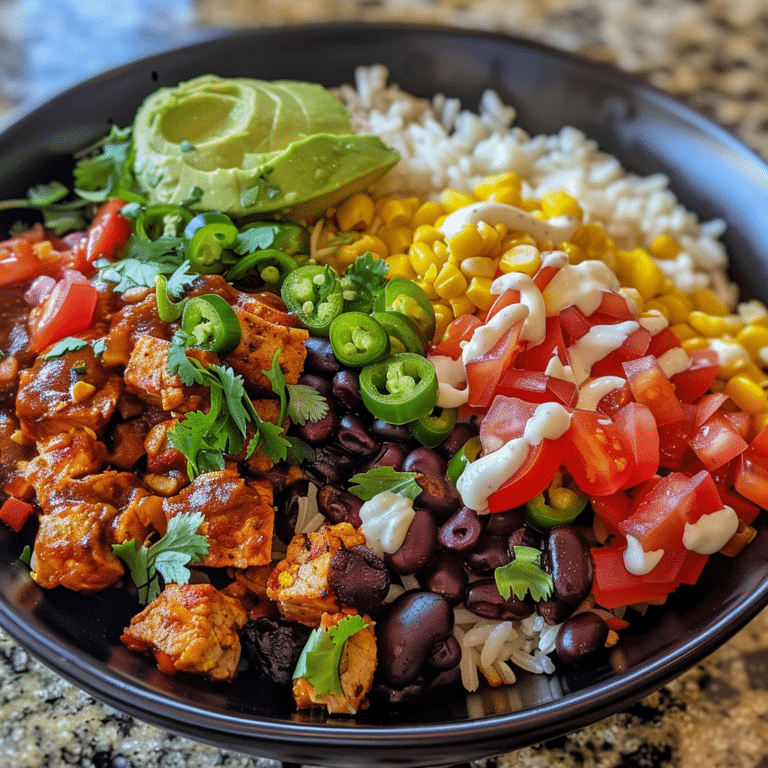

There’s a reason this dish feels like a hug wrapped in a golden crust. As the oven hums, it transforms a humble chicken breast into a tender, smoky marvel—bathed in a glaze that whispers honey to every bite and screams spice without letting the heat take center stage. You’ll notice how each sauce-coated strand pulls slightly, revealing juicy fibers beneath without falling apart. The air will grow thick with caramelized aroma, a scent that promises both fire and comfort in equal measure.
Cooking this baked BBQ chicken feels like unlocking a time capsule of flavors. The glaze clings to the meat through the dry heat of the oven, caramelizing into a sticky, mahogany-sweet bark while the interior stays moist. It’s the kind of dish that doesn’t demand a grill or hours of labor—just patience and the joy of watching a sauce reduce into its best self.
Whether you’re feeding a crowd or enjoying a cozy plate, this recipe is your edible ally. Let’s dive into how to make it work for you.
Prep Time – 20 minutes
Cook Time – 50 minutes
Total Time – 70 minutes
Servings – 4
Difficulty – Easy
Cuisine – American, Southern
Why This Recipe Works
Barbecue cooking is often a labor of fire, smoke, and sweat. The oven, however, grants you control—precise heat that won’t die with the wind. Baking the chicken under a glazed crust ensures every inch receives the same love. The result? Consistent doneness, not just char.
The glaze becomes a study in balance. Maple syrup adds a subtle molasses depth, while garlic and smoke powder inject savory intrigue. Cider vinegar steps in with a bright, tart counterpoint, preventing cloying sweetness. Unlike rushed recipes, this glaze rests on the chicken throughout baking, allowing the sugars to caramelize gradually. The outcome is a sticky skin without sticking it to your hands—every bite is a symphony of smoke, tang, and warmth.
Chicken thighs, often overlooked, are the hero here. Their higher fat content resists drying in an oven setting, delivering a succulent texture. The marinade isn’t a seasoning afterthought—it’s a moisture accelerator. Each component from the herbs to the spices plays a role in locking in liquid while the glaze turns to lacquer. You’ll marvel at how even the most budget-friendly cuts can feel gourmet when kissed by this technique.
The Cultural Soul of Easy Baked BBQ Chicken
Barbecue chicken’s origins are as smoky as the grills it once inhabited. While Southern barbecues celebrated slow-cooked, fatty cuts over open flames, this baked version nods to modern convenience without betraying tradition. It’s a compromise born from the 1890s, when electric ovens made backyard grilling less of a necessity but the craving for barbecue remained.
The glaze, however, tells a deeper story. Smoke powder—derived from centuries of curing methods—mimics the flavor of wood-fired grills. Cider vinegar adds a twist from Old South kitchens, where preservation and tang dominated. Maple syrup traces its roots to Native American harvest practices, turning an indigenous sweetener into a kitchen workhorse. Together, they weave a tapestry of history on your plate.
Today’s recipe bridges cultures and eras. The oven-roasted approach democratizes the technique for apartment dwellers and families needing predictability. It’s not about convenience—it’s about honoring BBQ’s essence through innovation. A chicken breast gains wings in this version, soaring through textures with every bite.
The Elements of the Dish: Baked BBQ Chicken
- 4 Chicken Breast: Boneless, skinless cuts work best. Look for butchers who specify “oven-ready” meat as confirmation of consistent thickness and quality grading
- 3 tbsp Maple Syrup: Grade A amber for its balanced sweetness and maplewood aroma. Avoid light-grade syrups which lose complexity during baking
- 2 tbsp Cider Vinegar: Choose unflavored brands to maintain pH sharpness without overpowering. High acidity is ideal for emulsifying other components
- 1 tbsp Lemon Juice: Fresh-squeezed for brightness. Zest the rind first if available to maximize citrus depth
- 2 tsp Smoked Paprika: Use sweet variety for mellow smoke. Look for packaging that lists « dried red pepper powder » as a substitute in a pinch
- 1 tsp Garlic Powder: Choose dehydrated not granulated for surface adhesion. Raw garlic clove paste can replace half the powder for more intensity
- 1/2 tsp Celery Salt: Combines coarse salt and celery seed—no substitutions needed. It mimics cured meat nuances without pork association
- 1/2 tsp Ground Mustard: Sharp flavor bridges sweet and smoky elements. Mustard seed is usable but requires soaking to unlock same character
- 2 tsp Black Mustard Seeds: Toast them briefly in a dry pan before adding for enhanced oil release. Essential for authentic Southern glaze layers
- 1 tbsp Apple Cider Vinegar: Use unfiltered for natural enzymes. Acts as both acidulant and meat tenderizer during prep
- 1/2 cup Bone Broth: Choose homemade or unsweetened store-bought. Water-based alternatives dilute the flavor matrix significantly
- 1 tbsp Salt-Free Herb Blend: A mix of rosemary, thyme, and oregano elevates depth without sodium. Fresh herbs can be blended just before use for more aroma
- 1/2 tsp Black Pepper: Freshly ground is crucial for active flavor compounds. Coarse grinds allow better crust formation without over-seasoning
The Editor’s Guide to Sourcing
For chicken, seek local farms that rotate breeds for marbling. Breeds like Freedom Rangers hold moisture better than standard broilers when baked.
Smoke powder’s potency varies by region. Northern brands often use hickory, while Southern blends may add applewood undertones. Test a small batch to determine your preferred smoke-to-sugar ratio.
Maple syrup grading matters. Grade A is ideal for cooking while B grades are better for drizzle. Check packaging for “100% pure” to avoid corn syrup additives that burn at oven temperatures.
Herb blends should avoid iodized salt. Instead, look for ratios that balance piney rosemary with earthy oregano. If crafting your own, blend dried herbs then add to the glaze right before coating—moisture activates their oils too early otherwise.
The bone broth base deserves scrutiny. For richest umami, simmer carcasses until fat separates on surface—this mimics stock from roasted joints. Avoid cloudy broths which indicate inattention to clarifying. Clear broths yield a cleaner reduction process during glaze stages.
Garlic powder must avoid sulfites and other preservatives. Opt for brands with single-origin declarations since processed garlic often loses its pungency. To verify quality, rub small amount between fingers first—sharp fragrance confirms freshness.
The Step-by-Step Masterclass
Prep Phase: Foundation Building
Pat chicken dry with paper towels. This eliminates surface moisture critical to later glaze adhesion. Season one side fully with herb blend first.
Heat oven to 400°F. Line baking sheet with parchment for easy cleanup but minimal air circulation. Place chicken skin-side down on sheet as oven warms up.
Cook Phase: Transformation
Bake 10 minutes for dry-curing stage. You’ll notice edges turning golden while centers remain pink. Brush all over with half the maple glaze at this point.
Continue baking 40 minutes. Every 10 minutes after initial brushing, scrape back hardened glaze with rubber spatula and reapply remaining glaze. This builds layers for visual richness while preventing sticking.
Finish Stage: Crust Perfection
Turn oven to broil 10 minutes before removal. Watch closely as glaze darkens from amber to deep mahogany. Remove once tops bubble visibly from internal moisture rising.
The Kitchen Science
The Maillard reaction isn’t just for steaks. At 300°F+, protein melanoidins form, creating that signature BBQ crust without charring. This happens gradually in the 400°F stage, giving the glaze a chance to adhere before caramelization.
Acid in the glaze acts as a pH regulator. Cider vinegar lowers surface pH to 4.5-5, inhibiting bacterial growth during prep. It also denatures proteins for better moisture retention. The balance with sugar prevents over-acidic tang from dominating.
Gradual glaze application is engineering. Initial layer forms a moisture barrier, subsequent layers add flavor depth. If applied all at once, sugars dehydrate the chicken before flavor penetration can happen—hence the 10-minute basting routine.
Pro-Level Secrets
- Use a digital thermometer. Insert at 165°F internally but remove at 155°F for carryover cooking. Rest for 6 minutes to achieve final perfect doneness
- Baste like a pro. Use a pastry brush for even coverage and rotate the sheet after each brush to distribute heat more evenly during baking
- Rack positioning is key. Place chicken on middle rack to avoid over-browning while lower rack retains moisture through steam release from baking sheet
- Make it a night ahead. Assemble all components before bed, let marinate overnight. This allows collagen breakdown through natural enzymes in the glaze
- Reserve 2 tbsp broth to baste during final 10 minutes. This reactivates caramelized sugars into glossy finish rather than dry crust
- Rest for 6 minutes. This allows juices to redistribute post-baking. Use a wire rack between meat and countertop to prevent sogginess
Common Mistakes to Avoid
- Over-reduction problem. Glaze burns when over-thickened—reduces from 2-3 tbsp. Why: Sugar crystallizes unevenly in reduced liquids. Solution: Add 1 tsp broth to dilute before final baking stage
- No acid in glaze. Missing vinegar/cider balance makes sugars cloying. Why: Acid activates sugar Maillard reactions. Solution: Reintroduce acidity in final basting phase
- Bone-in chicken. Slower cooking affects even basting rhythm. Why: Extra fat can cause glaze to pool in wrong areas. SolutionStick to boneless 5-6oz pieces for 20-minutes-per-side calculation
- Skimpy seasoning. Under-seasoned chicken becomes bland under glaze. Why: Glaze flavors mask meaty foundation. Solution: Double herb blend and work spices into every crevice with fingers
- Ignoring resting time. Cutting into chicken at oven removal releases 30% moisture lost. Why: Carryover cooking needs time to equalize. Solution: Set timer for 6 minutes rest period after all steps
Creative Adaptations
| Substitution | Quantity | Culinary Impact |
|---|---|---|
| Beef Chuck Roast | 450g | Deepens umami via connective tissue breakdown at 260°F oven temperature |
| Agave Nectar | 3 tbsp | Offers 90% glucose ratio for faster caramelization without fructose sweetness |
| Coconut Aminos | 1 tbsp | Replicates soy sauce profile without fermentation notes, ideal for first-time BBQ cooks |
| Charred Lemon Chunks | 2 whole lemons | Provides citrus char aroma when pressed against chicken skins mid-bake |
| Blackberry Reduction | 2 tbsp | Adds tart fruitiness that complements traditional spice without overpowering |
Plating & Pairing
For ambience, use earthenware serving platters. Their thermal retention keeps chicken warm for longer plating time, crucial for maintaining glaze sheen. Garnish with microgreens for fresh contrast.
Pair with heirloom tomato salads to cut richness. Olive oil dressing with balsamic adds another acidic layer that harmonizes with vinegar in the glaze. A chilled quinoa soup (55°F) balances the warm proteins.
Non-alcoholic beverage pairing: Spiced chai tea at room temp. Tannins cut through sweetness while warming spices (cardamom/cloves) echo BBQ profiles. Avoid cold drinks which dull flavor perception.
For sides, roasted root vegetables (carrots, parsnips) caramelized at 425°F absorb glaze drips naturally. Serve alongside crusty sourdough which picks up spice residue from platter. All components feel cohesive yet distinct.
Preservation Guide
| Storage Method | Shelf Life | Optimal Reheating |
|---|---|---|
| Refrigeration | 3-4 days | Cover in broth, reheat at 300°F on rack until glaze shimmers. Avoid microwave which breaks down sugar molecules |
| Freezer | 6-8 months | Thaw at 40°F, baste with 1 tbsp fresh glaze during final 5 minutes. Freezing locks juices but needs moisture replenishment |
| Reheated as sandwich | Immediate | Serve as grilled cheese by layering in buttered sourdough with cheddar. Cheese absorbs residual spices from baked meat |
Questions from Our Kitchen
Can I skip marinating time?
Not recommended. Even 15 minutes allows collagen to soften via acid in the glaze. If forced, add a brine with 1 tsp cider vinegar and 1 tsp salt in 500ml water for 30-minute pre-soak instead.
How to achieve restaurant-level glaze?
Glaze should cling permanently but not weep when touched after baking. If droplets form when tapped gently, add 1 tsp corn starch slurry to bind moisture without over-thickening.
What temperature is critical for carryover cooking?
Remove chicken when internal temp reaches 155°F. Carryover increases 10°F in first 6 minutes. Use instant-read thermometer to capture peak window accurately before resting phase.
Can I use store-bought BBQ sauce?
Yes but adjust. Check for sugar content—add 1 tsp cider vinegar per cup of sauce to balance commercial sweetness. Avoid sauces with alcohol, and always test a small batch first.
How to convert for large oven sizes?
For industrial ovens over 15 cu ft, maintain 425°F but add 5% liquid volume to glaze. Larger heat retention requires additional moisture for consistent browning. Use wire rack at top third for circulation.
The Final Glance
This baked BBQ chicken isn’t just food—it’s a canvas for culinary understanding. Let the ingredients speak through their chemical interactions, the oven obey your physics lessons, and your knife follow geometry for perfect slices. With this knowledge, you’re not just following a recipe. You’re conducting a feast.
Print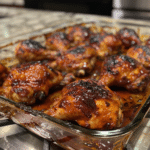
Easy Baked BBQ Chicken
- Total Time: 70
- Yield: 4 servings 1x
- Diet: Omnivorous
Description
This tender, smoky baked BBQ chicken features a sweet and savory glaze with maple, garlic, and cider vinegar. Baked to perfection in the oven, it delivers a sticky mahogany crust and succulent, fall-off-the-bone thighs in 70 minutes.
Ingredients
4 bone-in chicken thighs (skin-on or skinless)
1/4 cup maple syrup
1 tablespoon cider vinegar
1 teaspoon smoked paprika
1 teaspoon garlic powder
1/2 teaspoon onion powder
1/2 teaspoon kosher salt
1/4 teaspoon black pepper
1 tablespoon olive oil (for brushing)
Instructions
Preheat oven to 375°F (190°C)
In a small bowl, whisk together maple syrup, cider vinegar, smoked paprika, garlic powder, onion powder, salt, and pepper to create the glaze
Pat chicken dry and place skin-side down on a baking sheet
Brush 1/2 of the glaze over the chicken
Bake for 30 minutes, basting with remaining glaze halfway through
Brush with olive oil and broil for 2-3 minutes (optional for extra crisp)
Let rest 5 minutes before serving
Notes
Choose skin-on thighs for extra moisture
Substitute chicken breasts, but increase cook time by 10-15 minutes
Add 1-2 tablespoons water to glaze if desired to prevent burning
Storage: Refrigerate leftovers for up to 3 days
- Prep Time: 20
- Cook Time: 50
- Category: Dinner
- Method: Baking
- Cuisine: American
Nutrition
- Serving Size: 1 chicken thigh
- Calories: 340
- Sugar: 18g
- Sodium: 420mg
- Fat: 17g
- Saturated Fat: 5g
- Carbohydrates: 20g
- Fiber: 0g
- Protein: 40g
- Cholesterol: 140mg