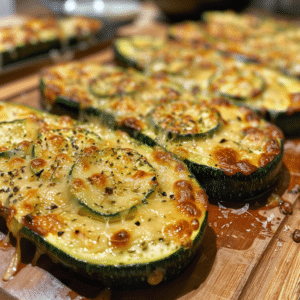

The first bite is a burst of summer’s essence: crisp coolness of cucumber clinking against juicy seedless watermelon. The salt-brined feta adds a sharp tang that dances with the sweetness. Fresh mint leaves unfurl their grassy brightness, balancing the rind’s herbal notes and the lemon’s zing.
This salad is more than a refreshing side dish. Its colors are a symphony of reds, greens, and whites—a visual feast that matches its flavor. Each element is chosen for maximum contrast and complementarity, from the citrusy dressing to the crunch of cucumbers.
Here’s how to craft this modern classic, blending Mediterranean simplicity with inventive summer vibrancy. The techniques and substitutions below will transform your plate into a masterpiece of hydration and balance.
- Prep Time-15 minutes
- Cook Time-5 minutes
- Total Time-20 minutes
- Servings-6
- Difficulty-Easy
- Cuisine-Mediterranean Fusion
Why This Recipe Works
The key to this salad’s appeal is its layered simplicity. Watermelon’s natural sugars contrast with feta’s fermented saltiness, creating a dynamic interplay that resets the palate. Cucumber adds structural coolness and visual balance.
Mint is the binding force—it brightens the watermelon without overpowering it, while lemon juice stabilizes the dressing, preventing the vinegar from dominating. The olive oil emulsifies everything into a cohesive texture.
This dish thrives on texture contrast: watermelon’s juicy softness clashes with crushed feta, which in turn yields to cucumber’s firm crunch. Even the rind contributes a subtle herbal note that elevates the dish’s complexity.
The Cultural Soul of Watermelon Cucumber Feta Salad
This modern composition builds on ancient culinary wisdom. Feta cheese in Greece, Persian cucumbers in Anatolia, and African watermelon cultivation all date back centuries. The 20th-century Mediterranean diet reimagined these ingredients for global kitchens.
Seedless watermelon was first bred in the 1980s, solving the problem of mess in desserts and salads. Meanwhile, feta’s Protected Designation of Origin status since 2002 ensured quality—its high moisture content and tangy profile make it ideal for fresh applications.
The fusion of rind and fruit reflects the Levantine tradition of using every part of the harvest. Adding mint and citrus nods to Turkish and Moroccan summer dishes, where herbs and acidic marinades preserved flavor in warmer climates.
The Elements of the Dish
- 4 cups diced seedless watermelon: Opt for ripe fruits with bright red flesh and no white splotches. Overripe watermelon softens the bite contrast, while underripe specimens lack sweetness. Use a sharp knife for clean cubes that hold shape after tossing.
- 2 medium Persian cucumbers: Slightly acidic on their own, they sharpen the watermelon’s sweetness. Look for firm, unblemished skin—thin peels mean more fresh flavor. Cut into half-moons for stability and texture.
- 8 oz brined feta cheese: Greek or Bulgarian styles work best. For maximum salinity and creaminess, use small-curd feta. Crumble by hand to avoid compacting, ensuring each morsel melts on the tongue.
- 1 bunch fresh mint leaves: Strip leaves into thin ribbons for even distribution. Thai mint adds floral notes, while spearmint delivers sharper brightness. Store refrigerated in water-filled jar for peak freshness.
- 2 tbsp extra virgin olive oil: A Tuscan blend adds a grassy backbone. Avoid infused oils that can muddy the palate. Add a dash of pomegranate molasses as optional glaze.
- 1 tbsp white balsamic vinegar: Use cold-pressed varieties for subtle tartness. Alcohol-free options include rice vinegar or citrus zest. Mix first with olive oil to prevent separation.
- 1 tbsp fresh lemon juice: Cold-pressed is non-alcoholic essential. Zest the rind first, but avoid bitterness—scrape only the pale-yellow layer.
- 3 tbsp sliced watermelon rind: Blanch slices for 30 seconds in salted water to remove bitterness. The rind’s green, seedy texture introduces herbal depth and visual interest.
The Editor’s Guide to Sourcing
For Persian cucumbers, visit farm stands where they’re still in their papery skins. These small cucumbers retain moisture better than supermarket varieties, reducing the need for salting and draining. Choose ones slightly over room temperature—warmth indicates ripeness.
Feta cheese should feel dense but yielding. Authentic Greek feta has a distinct crumble and salty bite. Avoid processed “vegan” feta unless using a high-quality aged cheese that mimics traditional textures. For plant-based alternatives, seek mozzarella-style cheese made with cashew or almond milk.
Watermelon rind substitutions may include reserved lemon slices with citrus oil or grilled radicchio for bitter contrast. Persian cucumbers can be swapped with English cucumbers if peeled to reduce bitterness. Mint must be fresh—dried versions lack the structural crunch and aromatic oils critical to this dish.
Olive oil’s freshness matters. Cold-pressed oils made within the last six months avoid musty undertones. For vinegar, raw or unfiltered types add a probiotic kick. Local markets often stock small-batch varieties with richer flavor profiles.
The Step-by-Step Masterclass
Prep Work:
- Cut watermelon into cubes 2-3 cm. Place on parchment-lined pan to observe their color as they rest—this helps judge juiciness.
- Slice cucumbers into half-moons without peeling. Toss in a bowl with ¼ tsp salt, let sit while prepping other elements.
- Rinse and dry feta. For even distribution, crumble over a small plate rather than directly onto vegetables during initial mixing.
- Pack mint leaves in a sealed container with damp paper towels to maintain turgidity until assembly.
Building the Base:
- In a large bowl, add watermelon first. Cucumber next, squeezing to remove excess moisture from the salt bath.
- Crush feta between palms until you achieve coarse granules—avoid overworking which creates tough clumps.
- Strip mint into thin ribbons using your fingers. The physical motion releases essential oils at room temperature for optimal aromatic impact.
Dressing Assembly:
- Whisk olive oil and vinegar until emulsified. Thin with lemon juice for brightness, but keep consistency thick enough to coat components without drowning them.
- Add pomegranate arils if using seasonal—crack open by laying halves on cutting board and tapping gently.
- Drizzle ¾ of the dressing over the mixture, then toss gently. Add remaining dressing just before serving to avoid over-dampening.
The Kitchen Science
Salt draws moisture from cucumber via osmosis. This step intensifies the vegetable’s flavor and prevents waterlogging the other ingredients. When dressing, the oil creates a barrier to slow this process, maintaining structural integrity.
Crushing feta alters protein structure. Fresh feta has high moisture content, making it prone to compacting. Gentle crumbing ensures each piece melts separately on the tongue, avoiding the mealy texture of over-mixed versions.
Mint’s aromatic compounds, including menthol and limonene, evaporate quickly at high temps. Room-temperature plating allows these molecules to linger and build fragrance while you enjoy each bite.
Pro-Level Secrets
- Chill watermelon before dicing—cold firmness prevents excess juice release during tossing. Store in sealed container at 4°C for at least an hour.
- Toast olive oil to 180°F briefly, then refrigerate. This concentrates its depth and creates a cooler emulsification window for the dressing.
- Blanch rind slices in salted water for 30 seconds, then ice immediately. This neutralizes bitter compounds while retaining structural firmness.
- Use a citrus reamer to extract lemon juice efficiently. Avoid electric juicers that oxidize flavor compounds and dull brightness.
- Age pomegranate molasses at least 30 days before use. This deepens its tartness into a syrupy complexity that complements both sweet and savory elements.
- For mint, harvest leaves in morning sun—this boosts essential oil content. Pluck leaves rather than cutting stems to protect against mold and bitterness.
Common Mistakes to Avoid
- Problem: Overhandling feta during crumbing.
Why: Compresses proteins into dense slabs that resist melting.
Solution: Crumble over the dish itself to catch desired texture. - Problem: Using pre-drained cucumbers from supermarkets.
Why: Premature drying removes natural freshness and moisture balance.
Solution: Salt home-prepared cucumbers for optimal results. - Problem: Tossing salad too early.
Why: Vegetable enzymes continue to release moisture, turning elements soggy.
Solution: Keep dressing separate until serving time. - Problem: Choosing aged versus fresh mint.
Why: Older leaves store less volatile compounds for flavor projection.
Solution : Look for mint leaves curled inward at edges—this indicates juiciness. - Problem: Serving ingredients at inconsistent temperatures.
Why: Contrasting temps confuse the palate and disrupt textural harmony.
Solution: Refrigerate all components for 20 minutes before assembly.
Creative Adaptations
| Ingredient | Substitution | Impact/Outcome |
|---|---|---|
| Seedless Watermelon | Seed-spotted watermelon | Requires de-seeding work but adds visual texture; ideal for fall harvests |
| Persian Cucumbers | English Cucumbers | Less intense flavor—boost by adding lemon zest or extra mint strips |
| Feta Cheese | Goat Cheese | Softer tang that melds better; works for dairy-heavy palates |
| White Balsamic Vinegar | Apple Cider Vinegar | More acidic profile—balance with extra olive oil and honey |
| Mint Leaves | Cilantro | Transforms into Central American-inspired profile; pairs better with lime |
Plating & Pairing
Use ice-cooled white ceramic bowls to showcase the dish’s colors as a visual anchor. For ambiance, dim lighting with warm tones matches the fruit’s vibrant hues better than LED brightness.
Pair with chilled beverages—elderflower lemonade offers floral sweetness to balance the salt. A spiced iced tea, sweetened with orange peel and cardamom pod infusions, complements herbal undertones.
Serve with grain-based dishes like quinoa tabbouleh to add earthy contrast. For protein, grilled free-range chicken breasts with paprika glaze provide umami depth without overshadowing.
Preservation Guide
| Storage Method | Maximum Duration | Notes |
|---|---|---|
| Refrigerator (Tupperware with tight lid) | 24-48 hours | Separate dressing until mixing; cucumber will drain faster over time |
| Freezer (BPA-free zipper bags) | Not recommended | Texture loss due to vegetable water content; best reheated as soup if unavoidable |
| Make-Ahead Tips | Dice watermelon and freeze on parchment; drain cucumber separately. Mix just before serving with fresh dressing |
Questions from Our Kitchen
Can I omit the rind?
While the rind adds unique herbal notes, omitting it won’t ruin the dish. Simply increase cucumber quantity by 15% to maintain volume. For texture, consider adding radicchio or snap peas.
Why does my feta get gummy?
Feta becomes gummy when over-pressed. Use only a gentle crumble—work quickly after mixing with dressing. For long-term, feta-only salads, store in a brine with rice vinegar as moisture regulator.
How to maintain watermelon freshness at room temps?
Store watermelon in an airtight container to prevent oxidation. Cut sides can be sealed with parchment paper and light olive oil barrier. Consume within 30 minutes of room-temp thawing to preserve cell structure and tart flavor.
What’s the best oil-to-vinegar ratio for summer?
Use 3:1 oil-to-acid ratio for warmer months. The fat layer slows moisture transfer from warm salad to cold fridge storage. In winter, 2:1 ratio balances richer vegetables and heartier proteins.
Can I add grilled protein safely here?
Yes—grilled chicken breasts or bison meatballs work well. Brush proteins with olive oil before grilling to avoid drying. Let rest 5-8 minutes before dicing and folding into the salad to maintain structural integrity.
The Kitchen Science
Cutting watermelon releases bromelain-like enzymes (present in all melons) that begin softening flesh. Chilling before dicing minimizes this enzyme activity, preserving juiciness. Persian cucumbers contain lower levels of cucurbitacin, the bitter compound found in wild gourds, compared to standard hybrids.
Feta’s texture is a result of repeated brining. Traditional Greek methods use 6-7 brine cycles, giving it distinct crystallinity. This microscale texture interacts differently with acidic dressings—smaller granules absorb more flavor than large chunks.
Why This Recipe Works
The dressing serves as both flavor multiplier and structural binder. Olive oil creates a thin lipid layer that slows watermelon dehydration while vinegar draws out excess moisture from the cheese. This equilibrium keeps all elements distinct yet unified.
Cutting watermelon into 3cm cubes maintains juice retention. Larger cubes risk splitting during tossing; smaller pieces over-saturation in acidic dressing. Persian cucumbers have thinner cell walls, enabling more efficient osmosis with added salt.
Mint works on three levels: visual contrast from green, aromatic oils that activate olfactory response before tasting, and textural crunch from intact cell walls. These factors create a multidimensional eating experience even at room temperature.
The Cultural Soul of Watermelon Cucumber Feta Salad
The Mediterranean has always prized seasonal contrasts. In Crete, watermelon rind is pickled for winter; in Lebanon, cucumber-feta salads appear at street-side mezze. This dish marries those traditions with modern plating techniques.
Couscous salads in Morocco often include dried fruits—here, watermelon replaces raisins while seed oil parallels nut-based flavoring. The use of Persian cucumbers shows influence from Turkish gardens where these mini-cucumbers originated as ornamental plants.
Nonalcoholic pairings in this dish reflect ancient Mediterranean practices where fermentation was used for preservation rather than intoxication. The vinegar in dressing follows this legacy, preserving freshness through acidity without ethanol.
Conclusion
This salad is your summer hydration solution and a masterclass in balancing opposites. Its layers—sweet, briny, herbal, and crisp—will make your kitchen feel like a seaside taverna. Don’t wait for perfect weather—this dish deserves your table this week, not next.
Print
Watermelon Cucumber Feta Salad – The Ultimate Hydration Staple
- Total Time: 15
- Yield: 6 servings 1x
- Diet: Vegetarian
Description
A vibrant Mediterranean fusion salad blending juicy seedless watermelon, crisp cucumbers, tangy feta, and aromatic mint. Refreshing and hydrating, it balances sweet, salty, and herbal notes for a summer masterpiece.
Ingredients
4 cups diced seedless watermelon (peeled and cubed)
2 cups diced Persian cucumbers (or English cucumber)
8 oz crumbled salt-brined feta cheese
1/4 cup extra virgin olive oil
2 tablespoons fresh lemon juice
1/4 cup chopped fresh mint leaves
1 small shallot (finely minced)
Black pepper to taste
1 teaspoon fine sea salt
Instructions
Dice watermelon and cucumbers into uniformly sized cubes
In a large bowl, combine watermelon, cucumbers, feta, and mint
Toss in a 2:1 vinaigrette (olive oil + lemon juice) and season with shallot, salt, and pepper
Let rest for 5 minutes at room temperature before serving to allow flavors to meld
Notes
Use fresh feta for best flavor; freeze watermelon cubes in advance if needed
Add thinly sliced red onion for extra depth
Store in airtight container in fridge for up to 4 hours before serving for optimal crispness
- Prep Time: 15
- Method: Chopping/Combining
- Cuisine: Mediterranean Fusion
Nutrition
- Serving Size: 1 cup
- Calories: 65
- Sugar: 3g
- Sodium: 350mg
- Fat: 5g
- Saturated Fat: 2g
- Carbohydrates: 7g
- Fiber: 1g
- Protein: 4g
- Cholesterol: 15mg