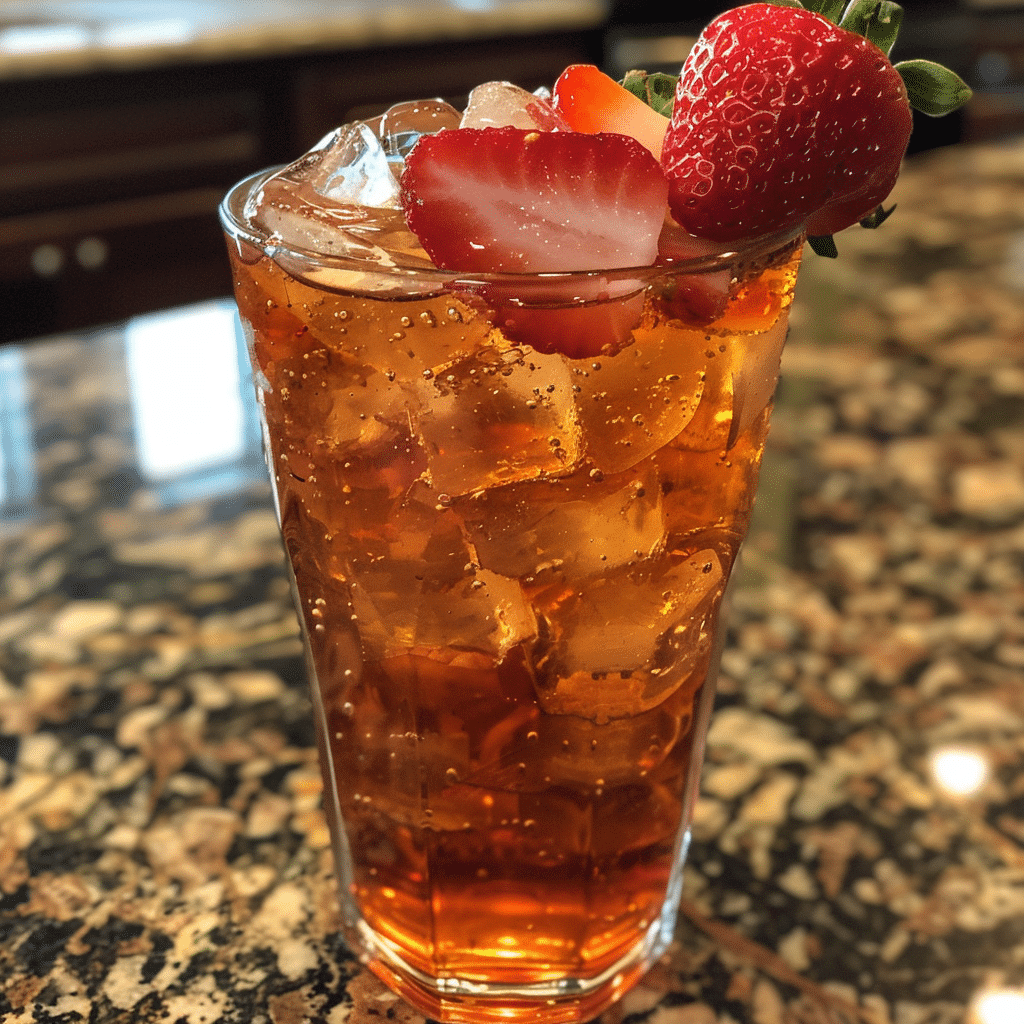
The first exhale of brewed black tea hits the air—a deep, earthy note that settles like a warm breeze at dusk. Then, the brightness follows: crushed strawberries release tangy crimson bursts tempered by the tea’s dry finish. This is not just a drink—it’s a seasonal dialogue between earth and sun.
A single drop of strawberry nectar coats your tongue, its fleeting sweetness chased by clean citrus undertones. The mint leaf hasn’t even touched your glass yet, but you’re already sweating off the day’s heat while dreaming of backyard barbecues and lemonade stands of childhood.
Here’s the secret: greatness in iced tea begins with heat. The process of coaxing flavor from tea leaves and fruit is as precise as it is intuitive. Let’s break it down.
- Prep Time-15 minutes
- Cook Time-5 minutes
- Total Time-20 minutes
- Servings-4
- Difficulty-Beginner-friendly
- Cuisine-American fusion
Why This Recipe Works
Strawberry iced tea is the quiet understudy of summer refreshments. Unlike pre-packaged concentrates that rely on artificial coloring, this version uses real fruit to create a vibrant crimson hue that deepens with each sip. The tea base isn’t just a vessel—it actively contributes tannins that balance the fruit’s natural sugars.
Start with the strawberry. When dried with hot tea, it releases anthocyanins—the same anti-oxidants that make red wine complex. These pigments also give the tea a subtle tartness, preventing the sweetness from overpowering the palate. This is why using fully ripe, room-temperature fruit makes a world of difference.
Addition of lemon peel introduces both acidity and aromatic oils that lift the finished drink. The citrusy sharpness breaks up the syrupy texture while amplifying the strawberry’s botanical notes. This layering of flavors creates a cascading effect on the tongue that never plateaus.
The Cultural Soul of Strawberry Iced Tea
In the late 1800s, Southern homemakers began blending fruit with black tea as a way to stretch limited supplies. Early versions used apple peels and rhubarb, but by the 1950s, the strawberry variation gained popularity at roadside stands. The mid-century shift to instant sweet tea brought new urgency to fruit infusions, creating a market for bright, bold flavors that could survive replication in larger batches.
The modern renaissance of strawberry iced tea coincided with the peak of #FoodPorn and influencer culture. Social media users craved vibrant beverages that demanded attention, and the crimson hue of fruit-infused brews became a visual staple. What wasn’t captured in smartphone photos was the sensory ritual behind the making—cleaning strawberries by hand, watching the gradual mellow of strong black tea, and the precise timing needed to balance sweetness and depth.
Today, this recipe honors both tradition and innovation by focusing on natural ingredients without the processed shortcuts. It’s a reminder that the most enduring recipes are those that adapt to the needs and resources of each generation.
The Elements of the Dish: Ingredients for Strawberry Iced Tea
- 2 1/2 cups Black Tea Leaves: Choose Assam or Congou for their malty backbone. These varieties resist dilution in hot water and provide depth that fruit sugars won’t mute.
- 1 1/2 cups Strawberries: Use fully ripe, slightly over-ripe fruit with firm flesh. Avoid hollowed or bruised strawberries, as they release excess water and dilute flavor.
- 3 tbsp Raw Sugar: Raw sugar dissolves more consistently in hot liquids than granulated. Its molasses content adds a subtle caramel backdrop to the strawberry notes.
- 4 cups Filtered Water: Start with clean, oxygen-rich water. Tap water with high mineral content can dull the tea’s flavor and mask the fruit’s brightness.
- 4 Lemon Slices: Thinly cut slices preserve the peel’s aromatic oils. These oils enhance the strawberry’s floral notes while cutting residual sweetness.
The Editor’s Guide to Sourcing
Selecting the right ingredients is half the battle in crafting strawberry iced tea. Begin with the tea—opt for loose-leaf rather than bags to control the strength. Whole leaves release flavor more predictably, particularly in cold brewing applications. Look for tippy Assam, where the golden tips indicate a higher concentration of amino acids that contribute to umami.
When shopping for strawberries, resist the temptation of unblemished red orbs. Instead, prioritize fruit with a white cap still attached to the red core. This emerald-white gradient indicates just-ripe complexity, not candied sugar bombs. The stem-end should feel firm yet slightly spongy—avoid strawberries that feel rock-hard or too mushy.
For sugar, raw cane options like Demerara add visual texture to the finished drink. The sugar flows like sand on top of the glass, dissolving gradually as the ice melts. This avoids a syrupy consistency in the final product, maintaining a crisp, refreshing texture.
Water choice deserves its own paragraph. While boiling tap water neutralizes impurities, it also strips oxygen content. Cool your tap water to room temperature before boiling, then let it sit for 30 seconds post-boil to reintroduce micro-bubbles. This oxygenation creates a silkier mouthfeel that enhances both tea and fruit components.
Finally, the citrus. Each lemon must be hand-sliced—store-bought pre-sliced options lose 75% of their volatile oils within two hours of cutting. Use your knife to barely shave the peel, avoiding the bitter white pith. Orange zest can be substituted, but lemons create a crisper contrast with the strawberry’s sweetness.
The Step-by-Step Masterclass
Steeping the Tea Base
- Boil 2 1/2 cups water to 200°F (avoid 212°F for delicate black tea). Pour into a heatproof pitcher.
- Add 4 tbsp loose black tea leaves to the hot water. Cover and let steep for 3-5 minutes, swirling gently after 2 minutes to release oils.
- Once the tea achieves a medium amber color (similar to strong coffee), strain through a fine mesh sieve into a separate container.
Brewing the Strawberry Infusion
- Wash and hull 1 1/2 cups strawberries. Using a microplane, zest the strawberries to extract aromatic compounds—set zest aside.
- In a separate heatproof jar, mix 2 tbsp raw sugar with 2 tbsp of the strained tea. Set this aside to create a syrup.
- Muddle 3 strawberries lightly to break their cell walls, then add to the hot tea. Stir for 15 seconds to rupture the fruit’s gelatinous enzymes before straining through a sieve. This prevents a gritty texture.
Cooling and Assembly
- Place the brewed tea (tea + strawberry syrup) in the refrigerator for at least 30 minutes. Stir occasionally to promote even cooling.
- Before serving, add 4 fresh strawberries, 3 lemon slices, and the reserved strawberry zest to long-stemmed glasses. Top with 2 cups ice.
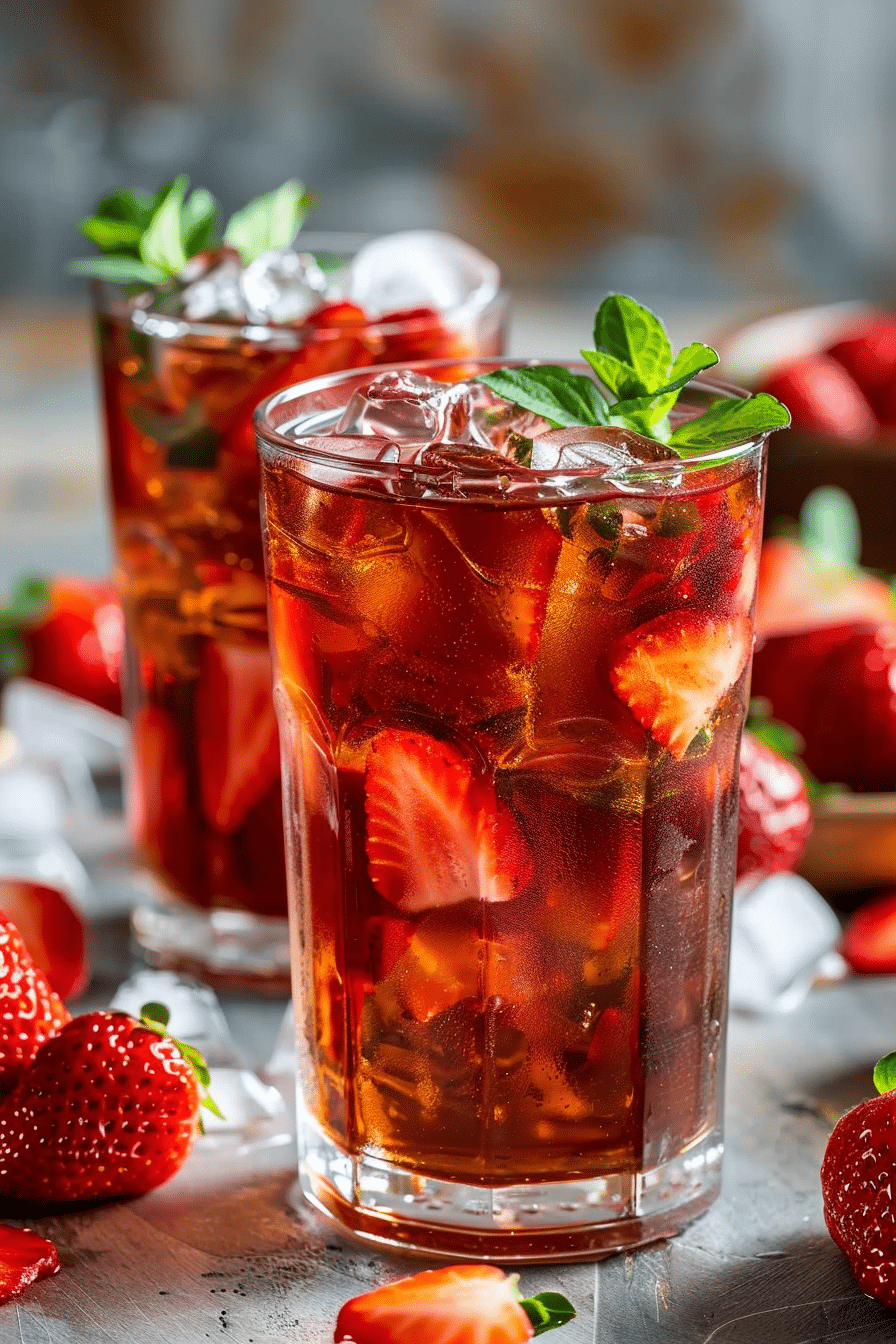
- Pour the cold tea over the ice. Garnish with a sprig of fresh mint and a dusting of raw sugar for aesthetics and texture.
The Kitchen Science
Let’s unravel the three-phase transformation that occurs in your pitcher. During the initial steep (3-5 minutes), tea leaves undergo cell lysis. Hot water breaks down cellulose in the tea leaf physical walls, releasing polyphenols that contribute bitterness. This is why timing is critical—steep too long and tannins overwhelm the palate.
Adding sugar creates a dilution point that stabilizes the tea’s pH. The sugar molecules bind to water via hydrogen bonds, reducing the tea’s ionic strength and preventing the harshness of undiluted tannins. This chemical process explains why non-aqueous sweeteners (like agave nectar) don’t work as well in this recipe.
Finally, cold brewing the strawberry infusion achieves a different effect altogether. At lower temperatures, anthocyanin compounds extract more slowly, preserving the fruit’s delicate aroma while enhancing tartness. This contrasts with hot-pressured strawberry purees, which release more esters but lose vibrant color.
Pro-Level Secrets
1. Balance before serving: Taste the cooled tea and adjust sweetness with an additional 1 tsp raw sugar per cup. Real fruit variability means you’ll rarely hit the “perfect” balance on the first attempt.
2. Ice structure matters : Use slow-melt ice bricks (not commercial cubes) to preserve flavor integrity. Rapid-melting ice waters down the tea and alters the strawberry contrast. 3. Mint placement hack: Insert 1-2 sprigs of mint into the lemon slices by tucking the leaves into the tiniest crevices. This prevents floating garnishes and ensures botanical oils mix with the drink as it’s stirred. 4. Double up on strawberry zest: For a beautifully aromatic batch, wait 10-15 minutes after adding zest to the tea. The heat gently extracts volatile oils, creating an invisible burst of flavor on first sip. 5. Pre-sugar strawberries: Make strawberry simple syrup in advance by combining 1:1 sugar and strawberry puree (blended and strained) in an airtight jar. A 24-hour soak in the fridge enhances flavor integration. 6. Muddle with a twist: Lightly crush the fruit with a fork right before adding to the hot tea. This breaks cell walls without bruising, reducing the risk of over-infused bitterness. Problem 1: Under-stemmed strawberries Why: Strawberry stems contain chlorophyll that dilutes the infusion with grassy notes. Even small remnants affect color and flavor balance. Solution: Remove all white stems using a paring knife—this takes 2-3 minutes, but ensures purity in your brew. Problem 2: Overcooked tea base Why: Boiling tea for more than 5 minutes releases excess tannins, making the drink astringent and sour. Solution: Set a kitchen timer and monitor color intensity by holding the pot up to light. Problem 3: Premature cooling Why: Letting tea sit unchilled for more than 15 minutes risks bacterial growth and off-flavors, especially in humid environments. Solution: Pour into a stainless steel container placed in an ice bath to accelerate cooling. Problem 4: Over-riped fruit Why: Spoiled strawberries lose structural integrity and over-infuse in 5 minutes flat, creating an unpleasant “fermented” undertone. Solution: Discard any fruit that seems mealy or exudes translucent liquid before using. Problem 5: Neglecting carbonation Why: Flat water is common misconception. In reality, the sugar and fruit naturally create a slightly effervescent layer when cooled properly. Solution: Transfer the tea to a bottle with a spigot and let it sit for 2 hours to naturally develop carbonation. Serve this strawberry iced tea in stemmed glasses filled with crushed ice instead of cubes. The shape enhances evaporative cooling, making each sip feel like a cold balm. Garnish with a single strawberry half and edible flowers for visual contrast, and serve with a small silver spoon for sugar additions. Pair this drink with light seafood dishes or herbed quiches—anything with clean, bright flavors that complement the tea’s fruit notes. Avoid butter-rich foods like fried chicken or creamy pasta, which will mask the tea’s tartness and dilute clarity. For a midday event, construct a “build-your-own” bar with muddled lemongrass, fresh mint, and sliced ginger around your base. Most high-end cafes keep a secondary station for champagne or sparkling water to convert the tea into a spritzer on demand. Frozen berries release excess water during thawing, diluting the core flavor. Thaw them slowly in the fridge, but expect a less vibrant crimson hue in the finished product. For best results, use fresh fruit with just a few frozen slices for visual garnish only. Replace the black tea with rooibos or hibiscus. These herbal options maintain the robe-like color and tannic structure but offer no caffeine. Hibiscus in particular adds a tart, cranberry-like acidity that pairs beautifully with strawberries. Stevia and monk fruit will alter the mouthfeel significantly. Use 1 tsp of either dissolved in 2 tbsp water + tea to mimic the weight of sugar. These substitutes also cellar the strawberry’s natural flavor, so balance with lemon or orange zest. Yes—add 2-3 popsicles made from the strawberry tea concentrate to your pitcher instead of loose ice. These partially melt, maintaining flavor while cooling the drink. Ideal for snow globe-style glasses or lightly chilled service. Scale up the strawberry syrup first. Combine 1 liter water, 200g sugar, and 400g strawberries in a large pot. Simmer gently for 10 minutes, strain, and combine with 15-20 brewed batches of tea. Chill and serve in mason jars orカラフェ with frozen strawberry-ice cubes for larger events. Transfer into sterilized glass bottles with tight-sealing lids. Store in the fridge for up to 3 weeks, or freeze in small portions until the next summer season. The syrup will require shaking before use as sugar may crystallize slightly over time. Now you’re ready to craft your own version of strawberry iced tea. Remember—this is your recipe to shape. Let the seasons guide you toward berries with peak sweetness, teas with just-right bitterness, and the perfect balance of expertise and improvisation. The first sip is always your best one. A vibrant, fruit-forward iced tea made with ripe strawberries, black tea, and lemon peel. This recipe balances tart fruit, tannic tea, and citrusy brightness for a thirst-quenching summer classic. Serve chilled with fresh mint for an aromatic finish. 4 black tea bags Bring 1 cup water to a boil in a saucepan Use fully ripe strawberries for maximum flavor extractionCommon Mistakes to Avoid
Creative Adaptations
Original Substitution Impact Black tea Green tea Creamier texture with vegetal sweetness Strawberries Raspberries Stronger astringency, muted tart finish Raw sugar Honey Smoother floral notes with silky finish Lemon Orange Warmer citrus profile with brassy undercurrent Mint Lemon thyme Lavender undertones with citrus brightness Plating & Pairing
Preservation Guide
Storage Method Age Flavor Notes Refrigerated 24 hours Berry sweetness mellow, tea base sharpens Frozen 3 months Water separates from sugars, iced refreshment effect Reheated Not recommended Taxing process for iced tea; use for syrup only Questions from Our Kitchen
Can I use frozen strawberries?
How do I make this caffeine-free?
Can I make a version with sugar alternatives?
Is there a non-ice alternative?
How to make bartender’s versions in bulk?
How do I store unused syrup?

Strawberry Iced Tea: A Refreshing Summer Sip with Real Fruit
Description
Ingredients
1 1/2 cups ripe strawberries, hulled
1/2 cup water
1/4 cup granulated sugar
2 cups cold water
1 lemon, zest finely grated
Ice cubes
Fresh mint leaves, for garnishInstructions
Add tea bags and strawberries; steep for 3 minutes
Remove tea bags but leave strawberries in the pot
Add lemon zest and sugar; stir until sugar dissolves
Chill the mixture completely in the refrigerator
Add cold water and stir
Serve over ice cubes and garnish with mint leavesNotes
Adjust sugar to taste based on strawberry sweetness
Strain out strawberry bits if desired
Store in the refrigerator for up to 24 hoursNutrition