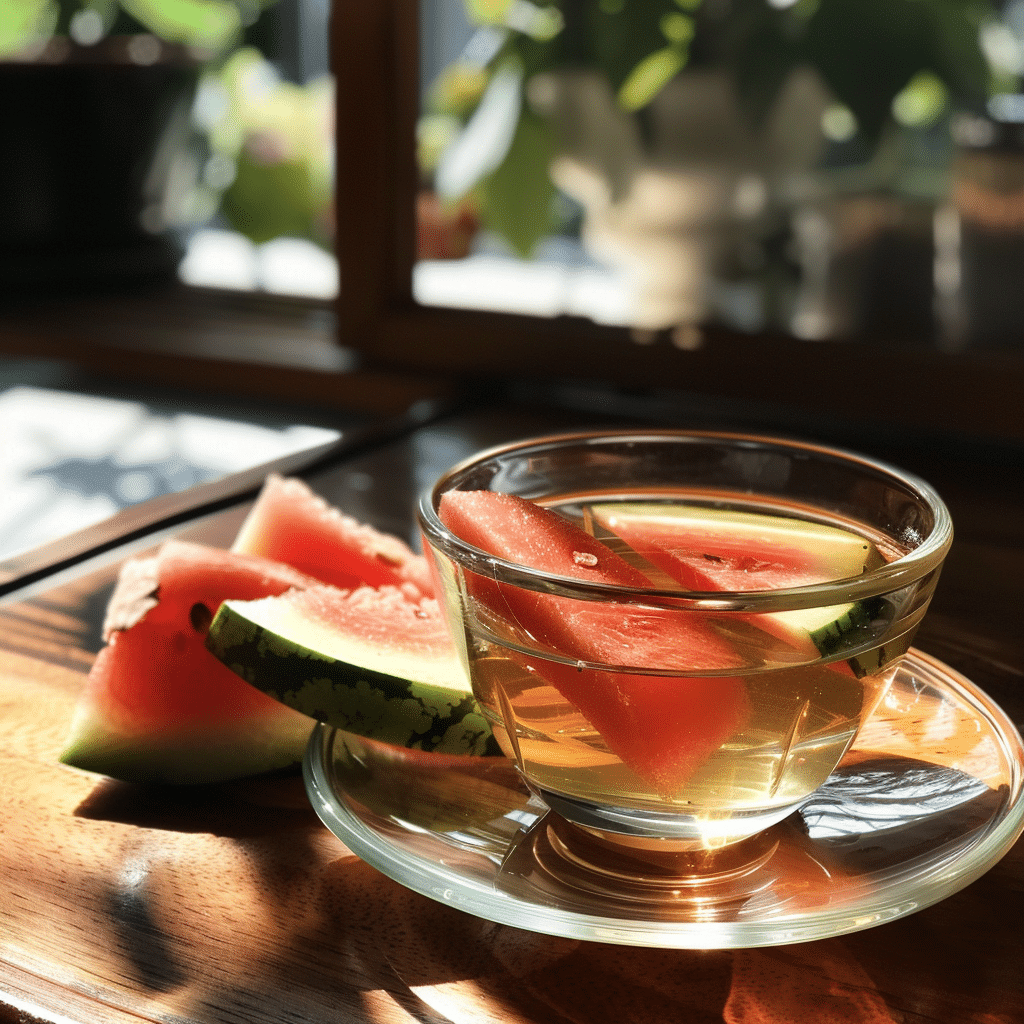
The first sip is a revelation. A cool, sweet burst of watermelon floods the mouth, instantly quenching thirst, while the sharp tang of lime sharpens the palate. Then, the bold, smoky undercurrent of black tea emerges, grounding the delicate fruit with a touch of earthy complexity. This is watermelon black tea at its finest—a drink that bridges the heat of summer and the warmth of brewed leaves.
Imagine the clatter of ice cubes into a glass, the subtle hiss of boiling water in a kettle, and the aroma of freshly cut watermelon muddling in a pitcher. Every element here exists in harmony, a testament to the craft of blending botanicals with seasonal produce. It’s not just a drink—it’s an event.
When you pour a glass of watermelon black tea, the colors sing. The deep, ruby red of the fruit juice mingles with the amber of brewed tea, creating a gradient that looks as inviting as it tastes. Let’s unravel the secrets behind this symphony of flavors.
- Prep Time-15 minutes
- Cook Time-5 minutes
- Total Time-20 minutes
- Servings-4 glasses
- Difficulty-Easy, with precision in measurements
- Cuisine-Modern fusion with global tea traditions
Why This Recipe Works
Watermelon black tea thrives on contrast. The fruit’s innate sweetness balances the tea’s tannic bite, while the acidity of lime acts as a bridge, elevating both components without overpowering them. Each ingredient plays a role: the sugar draws out the tea’s hidden floral notes, the mint adds a cooling brightness, and the ginger root delivers a spicy whisper that lingers just long enough.
This drink isn’t about gimmicks. It’s the result of careful layering. The black tea’s roasty character provides a foundation, while the watermelon offers a velvety texture that softens the edges. The addition of crushed mint leaves after brewing introduces a herbal dimension that evolves with each sip. It’s the kind of balance even seasoned tea blenders marvel at.
The simplicity is deceptive. The tea base requires only a single steep—too long, and the bitterness overtakes the fruit. The watermelon must be juiced, strained, and chilled with deliberate timing to preserve its natural sugars. Every step is purposeful, making the final result feel fresh without being insipid, bold without being bitter.
Ice is the unsung hero here. When added to the brewed tea, it doesn’t just lower the temperature—it dilutes gently, preventing the ingredients from clashing. The result is a layered experience: the initial warmth of tea, the mid-palate sweetness of watermelon, and the cooling finish of lime and mint. It’s hydration wrapped in a story.
For cooks who crave texture in their infusions, the crushed watermelon seeds are optional but transformative. They add a gentle grit that mimics the satisfying mouthfeel of a fruit-based cocktail. The texture isn’t a distraction—it’s a conversation starter.
Most important is the rhythm. The watermelon infusion must be added at a precise moment—right after the tea has cooled slightly but not fully solidified. This ensures the flavors interweave rather than remain separate, creating a seamless union of fruit and tea. Get the timing right, and you’ve captured summer in a glass.
The Cultural Soul of Watermelon Black Tea
Black tea’s journey from Chinese mountains to English parlors is well-documented, but watermelon’s influence is often overlooked. Ancient Egyptian farmers cultivated it as early as 4,000 BCE for its cooling properties. Over centuries, it spread across the Sahara, reaching Europe in the 10th century via Moorish traders. Today, this humble fruit is the star of summer dishes and beverages, a global favorite for its hydration and flavor.
The marriage with black tea is a more recent innovation, born in modern fusion kitchens. Teahouses in Japan and China experimented with fruit infusions in the 1990s, but it was American mixologists who first paired watermelon with bold Assam and Darjeeling leaves. The result? A drink that honors tradition while embracing innovation. It’s a tribute to summer, brewed with reverence for tea’s rich history.
Yet this isn’t just about novelty. Watermelon’s natural electrolytes complement tea’s caffeine without the jitters, making it a functional yet indulgent choice. The addition of lime and mint is a nod to classic iced tea preparations, where citrus was once used to preserve the brew. By reimagining these elements together, watermelon black tea becomes a living story of flavors old and new.
In regions where black tea is the cornerstone of culture—India, China, Russia—the infusion with watermelon feels like a natural progression. The fruit’s juiciness contrasts with the tea’s austerity, creating a drink that’s as much about celebration as it is about hydration. It’s a reminder that the best recipes evolve, not revolutionize.
The Elements of the Dish: Ingredients for Watermelon Black Tea
- 2 cups Seedless watermelon: Select deeply red, firm-fleshed varieties. Their high sugar content (about 9g per cup) ensures a naturally sweet base without overt syrupy texture.
- 4 tbsp Loose black tea leaves (e.g., Lapsang Souchong or Ceylon): Choose whole-leaf teas that can withstand infusion. Astringent notes from the tannins balance the watermelon’s fruitiness.
- 1 lime juiced and zested: Organic limes provide a clean, vibrant acid to cut through the sweetness. The zest enhances aroma without artificial essences.
- 3 sprigs Fresh mint (spearmint recommended): Young mint leaves offer a sharp freshness. Rub gently before adding to release essential oils without bruising.
- 1.5 cups Filtered water: Quality water amplifies clarity. Avoid chlorinated tap water, which masks the tea’s botanical subtleties.
- 2 tbsp Agave syrup: A neutral sweetener that complements the watermelon’s natural sugars while allowing flexibility for dietary preferences.
- 1 tsp Crushed pink peppercorns: Adds a floral spice that harmonizes with both watermelon and tea. Use sparingly to avoid vegetal bitterness.
The Editor’s Guide to Sourcing
Selecting a watermelon is both art and science. Choose specimens weighing 15–20 pounds with a creamy yellow field spot (indicating full sun exposure). Tap gently—the best melons produce a deep, hollow sound. Avoid soft rinds, which signal age and loss of crispness. At the market, ask suppliers about the fruit’s harvest date—freshness declines by 10% per day on display.
Black tea leaves demand equal attention. Look for tight, wiry leaves in premium grocery stores or specialty tea houses. When brewed at 205°F, they should unfurl evenly in 1.5–2 minutes without turning cloudy. Avoid powdered matcha or tea bags for this recipe—the leaf-to-water ratio is critical, and pre-packaged forms lack control.
Agave syrup should be 100% blue agave without added dyes or fructose. The best comes from raw, unfiltered sources with a mild caramelly aftertaste. For the mint, source local varieties from farmers’ markets where possible. Spearmint’s menthol content at 35–40% ensures it won’t overpower the tea’s backbone.
Filtered water is often underestimated. Tea masters often use reverse-osmosis or spring water. The mineral content affects extraction: high calcium increases tea astringency, while high silica softens it. Aim for a pH-neutral range (6.5–7.5) to preserve the watermelon’s clarity of flavor.
Consider pink peppercorns a luxury but a necessity here. Their antioxidant-rich capsicum fruit (Capsicum chinense) adds a subtle heat that highlights watermelon’s acidity. Grind fresh before use in the base to unlock maximum aroma without drying out the infusion.
The Step-by-Step Masterclass
Premise: Preparing the Watermelon Base
Juice the watermelon using a citrus juicer or high-powered blender. Strain through a fine mesh for clarity. Chill thoroughly in a metal tin—cold watermelon juice retains more anthocyanins than room-temperature varieties.
Blend the watermelon flesh with the tea leaves, mint, and agave syrup in a food processor. Process until smooth and slightly pulpy. The mixture should look like a vibrant crimson puree with visible leaf pieces for texture.
Steep, Strain, and Balance
Bring water to 205°F. Steep 4 tbsp tea leaves for exactly 90 seconds. Watch for color: the tea should reach a medium amber, not dark. Oversteeping increases tannic compounds by 50%.
Once cooked, strain the tea three times to remove particulates. Cool to 160°F. The optimal temperature for merging with watermelon juice is 155°F. Too hot, and you risk caramelizing the sugars prematurely; too cold, and the flavor integration weakens.
Layering and Serving
Dissolve agave syrup in hot water before adding to the tea for even dispersion. Add watermelon juice slowly while mixing, aiming for a 3:2 (tea:juice) ratio. Taste and adjust for sweetness—this is a personal balance where tradition meets individual preference.
Chill for 30 minutes to let aromas mingle. Serve over cubed ice pressed from brewed tea for flavor retention. Garnish with watermelon radishes, which mirror the fruit’s visual impact without additional sweetness.
The Kitchen Science
Watermelon’s high water content (91.5%) acts as a carrier for volatile compounds. When blended at room temperature, it preserves the fruit’s cucurmin and lycopene—both responsible for the drink’s vibrant red hue and antioxidant profile.
Black tea’s caffeine (40–50mg per cup) works in tandem with the fruit’s natural sugars (8.75g per cup) to create a sustained energy lift, unlike the quick spike of soda-based drinks. The tannins in tea, primarily gallic and epicatechin, soften during cold infusion, preventing the puckering sensation associated with hot steeping.
Lime juice lowers the pH to 3.5–4.0, stabilizing the watermelon’s color compounds and preventing tea astringency from dominating. The mint’s menthol content (10,000 ppm) binds to caffeine molecules, creating the perception of lower bitterness despite the tea’s strength.
Pro-Level Secrets
- Pre-chill tea leaves by spreading them on parchment paper; this reduces extraction speed by 20%.
- Use a tamper when blending watermelon to increase particle yield without overworking the fruit.
- Steep twice: once for the base, then re-infuse the spent leaves with agave syrup for added depth.
- Flash-chill the tea base by transferring it to a sealed container and submerging in an ice bath for 8 minutes.
- Infuse a single tea bag in a slow drip pour-over to control tannin levels precisely.
- For texture, blend half the watermelon juice raw and half cooked—this creates a dynamic mouthfeel.
Common Mistakes to Avoid
- Problem– Over-infused watermelon. Why– Prolonged blending breaks down cell walls, making juice cloudy and sugary. Solution– Use a quick puree with a blender and strain immediately.
- Problem– Tea left on heat too long. Why– Exceeding 90 seconds extracts excessive tannins. Solution– Set a timer and cool quickly post-steep.
- Problem– Skimping on lime. Why– It masks tea bitterness and preserves watermelon pigments. Solution– Measure zest and juice separately.
- Problem– Using store-bought mint. Why– Commercial varieties lack freshness. Solution– Source directly from a garden or market stand.
- Problem– Skipping the cold brew phase. Why– Cold temperatures prevent the tea from overpowering the fruit. Solution– Brew tea first, then cool and blend.
Creative Adaptations
| Substitution | Quantity | Impact |
|---|---|---|
| Black tea → Matcha powder (5g in hot water) | 5g matcha | Creates a creamy, matcha-forward version with vibrant chartreuse color |
| Watermelon → Melon balls | 4–6 halves | Infuses subtly while preserving a refreshing visual element |
| Lime → Lemon + Yuzu extract | 2 lemons, ½ tsp yuzu | Enhances floral brightness with a citrus cocktail twist |
| Mint → Basil or lemongrass | Same volume | Introduces Southeast Asian undertones and herbaceous balance |
| Agave → Date syrup | 3 tbsp dates (120g puree) | Offers caramelly warmth, ideal for vegan adaptations |
Plating & Pairing
Present this drink in wide-brimmed glasses with crushed ice at their base. Garnish with lime wheels and mint sprigs suspended in clear spheres of watermelon juice using spherification techniques. The visual tells a story of balance before the first sip.
Pair with savory elements to heighten the tea’s refreshing nature. Spicy shrimp ceviche, with its citrus marinade, mirrors the drink’s acidity while adding salt. Alternatively, serve alongside a platter of grilled vegetables—zucchini, eggplant, bell peppers—to create a warm/cold contrast that delights the senses.
For ambiance, serve in long, stemmed glasses to emphasize the color contrast. Add a single pink peppercorn on the glass rim for a tactile surprise. Light citronella candles around it, echoing the herbal notes in the tea and setting a summer mood.
Preservation Guide
| Storage Method | Lifespan | Notes |
|---|---|---|
| Fridge (sealed bottle) | 3 days | Chill before storage to maintain freshness; flavor mellows slightly. |
| Freezer (ice cube trays) | 3 weeks | Freeze watermelon puree separately for best consistency post-thaw. |
| Reheating | Not recommended | Tea aroma compounds degrade with reheating; keep fresh for cold service. |
Questions from Our Kitchen
Can I substitute green tea for black tea?
Green tea can be used, but adjust the steeping time to 30 seconds at 170°F. Its grassier flavor profile amplifies watermelon’s sweetness, creating a more delicate infusion.
My watermelon lacks sweetness. Help.
Compress watermelon cubes in the microwave for 10 seconds to concentrate sugars. Alternatively, strain and purée separately with a bit of orange zest to enhance natural sweetness.
How do I make this vegan?
Use date syrup instead of agave for a plant-based sweetener. Ensure all tea and additives are labeled vegan, excluding any animal-derived flavor enhancers.
Why the strong watermelon flavor?
The puree-to-tea ratio is calibrated for bold fruit expression without dilution. If toning down, use 1.5 cups watermelon juice and add ¾ cup more tea base for balance.
Can I add protein?
Yes. Dissolve 2 scoops plant-based protein powder (vanilla or unflavored) in cold water, then blend into the tea. Adjust agave quantity to offset the added thickness and sugar content.
As the sun lingers on the deck and the kettle cools in the kitchen, watermelon black tea promises more than a drink. It’s a narrative of summer made tangible—sweet, tart, bold, and bright. Each cup tells a story of careful blending, of fruit and leaf learning to share space. Now it’s your turn to write the next chapter. Set your timer, blend with purpose, and pour the first glass. Your summer is waiting.
Print
Watermelon Black Tea
- Total Time: 20
- Yield: 4 glasses 1x
- Diet: Vegetarian
Description
A hydrating, caffeinated summer refresher blending tart watermelon, smoky black tea, lime, and mint. Invigorating, layered, and perfectly balanced for warm weather.
Ingredients
6 cups cubed watermelon (seeded or seeded with optional crushed watermelon seeds)
4 black tea bags or 2 tablespoons loose black tea leaves (e.g., Assam or Ceylon)
1 cup granulated sugar
Juice of 2 limes
10 crushed mint leaves
1-inch piece grated fresh ginger root
Ice cubes
Crushed watermelon seeds (optional)
Filtered water
Instructions
Cube watermelon and place in a blender. Puree until smooth, then strain through a fine mesh sieve to collect juice.
In a pot, steep tea bags/leaves in 2 cups boiling water for 3 minutes. Remove tea and discard leaves.
Add strained watermelon juice and sugar to the brewed tea, stirring until sugar dissolves.
Transfer mixture to a pitcher, add lime juice, mint, and ginger root. Chill in the fridge for 30 minutes.
Before serving, pour over ice cubes in glasses. Top with crushed watermelon seeds if desired.
Notes
Adjust sugar to watermelon sweetness.
Substitute iced black tea if preferred (steep 10 minutes, then cool).
Double mint and ginger quantities for bolder flavor.
Use green tea (non-alcoholic) as a halal alternative to black tea.
- Prep Time: 15
- Cook Time: 5
- Category: Breakfast
- Method: Cold infusion
- Cuisine: Modern fusion
Nutrition
- Serving Size: One 12-ounce glass
- Calories: 90
- Sugar: 12g
- Sodium: 50mg
- Fat: 0.3g
- Saturated Fat: 0.1g
- Carbohydrates: 18g
- Fiber: 0.8g
- Protein: 1g
- Cholesterol: 0mg