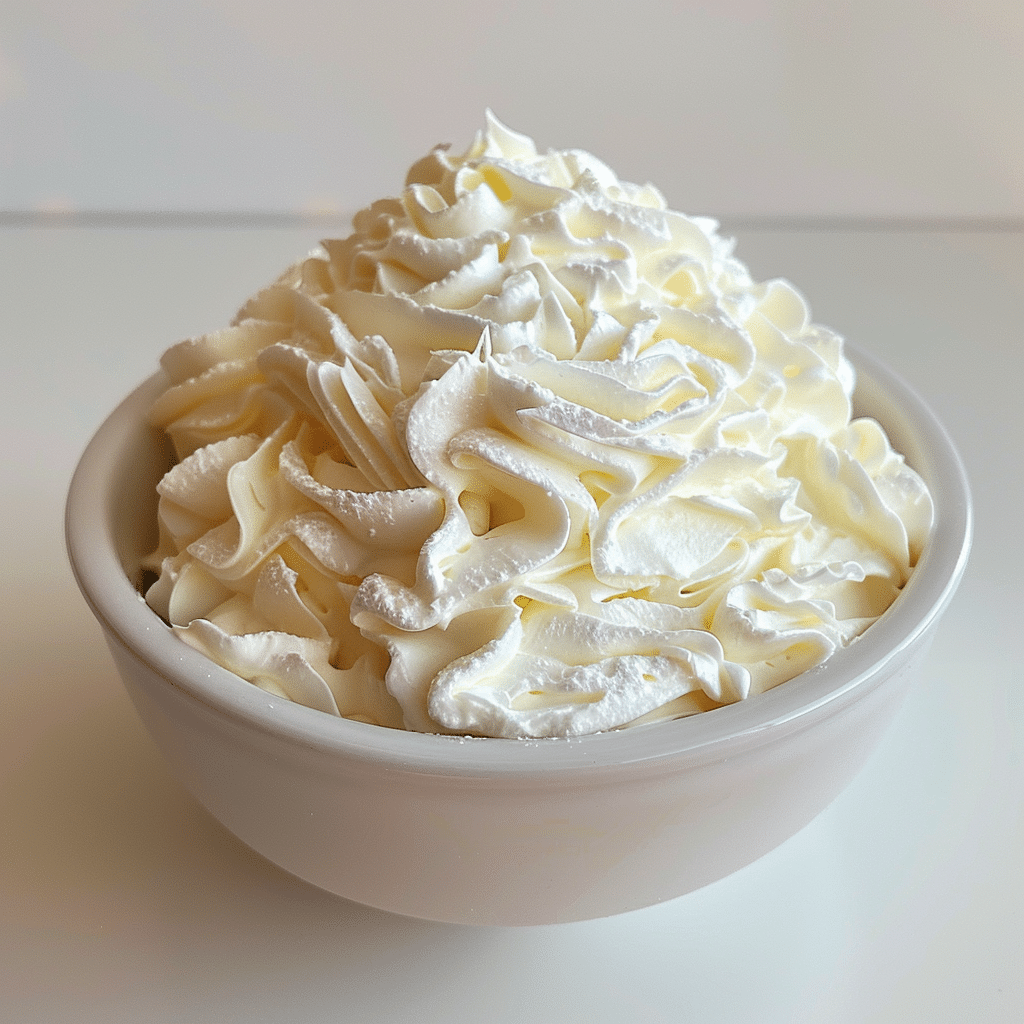
A whisper of vanilla, the zing of citrus, a hint of warm cinnamon—flavored whipped cream is the secret ingredient that turns a simple dessert into a memory. The first spoonful greets your tongue with a light, silken texture that dissolves like a cloud. Then, the flavor—pure and unadulterated—takes over, lifting the dessert to unexpected heights.
There's a reason chefs, bakers, and food lovers across the world return again and again to this versatile topping. When done right, it becomes more than a garnish—it's an event. A swirl. A whisper. A flavor explosion in every bite.
With just a few high-quality ingredients and the right technique, you can become a maestro of flavored whipped cream. Let’s get started.
- Prep Time– 10 minutes
- Cook Time– 0 minutes
- Total Time– 10 minutes
- Servings– 4 cups
- Difficulty– Easy
- Cuisine– Versatile, Sweet, Global-Inspired
Why This Recipe Works
Flavored whipped cream works because it strikes a perfect balance—light but flavorful, simple but impactful. It’s the final flourish that ties a dessert together without overpowering it. Whether it's a dash of lavender or a punch of orange zest, the right flavor lifts the entire dish. It’s not just an extra; it’s the exclamation point.
The technique is key. Whipping cream to the proper soft peak stage ensures a texture that mingles seamlessly with desserts, while the right amount of sugar maintains that dreamy lightness. Flavor infusions are added at just the right moment, locking in their aromatics for a scent and taste that linger.
And the versatility. You can pair it with warm fruit tarts, cold milkshakes, or even drizzle it over pancakes for a twist. No one flavor is set in stone—you’re the artist, and the topping is your canvas.
The Cultural Soul of Flavored Whipped Cream
Whipped cream as we know it today began in Europe, where it was first used as a decorative element by French and Italian pastry chefs in the 17th century. But the idea of flavoring that foam has roots that stretch even further. Persian cooks once sweetened their cream with rose water and honey. In the Americas, citrus zest became a popular additive in the 19th-century dessert scene.
This recipe builds on that legacy with a modern twist. Where past generations relied on spices like nutmeg and vanilla beans imported from the East, today’s home bakers have access to a world of botanicals, fresh spices, and flavor extracts. Whether it’s a hint of star anise or a bold kick of cocoa powder, the flavor choices are as boundless as your imagination.
But it isn’t just about taste. It’s about storytelling with flavor. Every swirl of a different whipped cream on a plate tells the tale of a place, a season, or a mood. It’s time for those stories to be yours.
- 1 cup Heavy cream: Choose a high-quality cream with at least 35% fat to ensure a rich texture and excellent whipping.
- 2 tablespoons Sugar: Granulated sugar sweetens and helps stabilize the whipped structure.
- 1 teaspoon Vanilla extract: For a classic base; you can replace this with any botanical or fruit infusion.
- 1 tablespoon Lemon zest: Use fresh fruit for the strongest burst of citrus aroma; store-bought zest is a backup.
- 1/4 cup Fruit puree (e.g., raspberry, mango, or peach): Adds vibrant fruitiness without the need for alcohol or artificial flavoring.
- 1/2 teaspoon Cinnamon or other spice: Enhance depth for spiced or dessert-forward variations (e.g., nutmeg or cardamom).
The Editor’s Guide to Sourcing
Finding the right ingredients for flavored whipped cream starts with the cream itself. Always check the fat content—never go lower than 35% if you want it to whip. If your cream is skimmed or ultra-pasteurized, it simply won’t work. Look for small-batch brands when possible; they tend to have a richer, fresher character.
When it comes to sugar, opt for superfine or caster sugar, which dissolves more easily during whipping and ensures smooth texture. Avoid icing sugar unless blending, as it can sometimes clump in the mix.
For flavor, freshness is essential. Citrus should be used within the season, and spices should be whole and ground just before use. Store-bought extracts can be hit or miss—make the jump to pure, not imitation. You’ll thank yourself for the difference in taste and finish.
And don’t skip the fruit puree. Use it to add brightness and body. Make your own from scratch by gently simmering the fruit with a little water and sugar, then mashing and straining. It takes just ten minutes and brings a homemade richness to your topping.
The Step-by-Step Masterclass
Phase 1: Chillin' and Preparing
Start by chilling the mixing bowl and whisk attachments in the freezer for ten minutes. Cold everything ensures better aeration and faster stabilization. Pour in the heavy cream and add the sugar. Whisk at a low speed to begin incorporating air, and gradually increase speed once it starts to thicken.
Phase 2: Peak Perfection
Whisk until the cream reaches a soft peak—when the whisk is lifted, the cream should form peaks that gently fold over on their own. Over-whisking leads to a granular texture, so stay focused and watch the changes in texture and volume.
Phase 3: Flavor Infusion
At peak softness, turn off the mixer and add your flavoring ingredients—vanilla extract, lemon zest, fruit puree, or spices. Gently fold with a spatula to evenly incorporate without deflating the whipped structure. Taste and adjust if needed, then chill before serving for the best texture.
Phase 4: Presentation and Use
Transfer the whipped cream to a piping bag if you’re creating decorative shapes or swirls. Otherwise, keep it in a bowl and use a spoon to add to your desserts. Work quickly once it's out of the fridge—this is a topping best served fresh.
The Kitchen Science
Whipped cream is one of the simplest yet most chemically dynamic things in the kitchen. When you whip cream, you're doing more than just fluffing it up—you're creating a foam. Proteins in the milk and fat molecules begin to align and stretch as air is introduced, forming a stable lattice that holds the air bubbles in place.
Sugar plays a crucial role in this structure, not just for taste, but in stabilizing the foam. It helps the proteins bind stronger and prevents collapse during the whipping process. The sugar molecules sit on the surface of the air bubbles, reinforcing them and keeping them from popping.
Add a flavoring agent or fruit puree too early and you risk deflating the cream. That’s why it’s added post-whipping, at the soft peak stage, when it can be folded in gently. The result? A luscious, stable topping with vibrant flavor and a light-as-air texture.
Pro-Level Secrets
1. Use a cold bowl and attachments: Chilling everything before you start ensures faster whipping and better stability.
2. Measure accurately: Just the right amount of sugar is key to the texture of your cream—too little and it won't hold, too much and it'll feel sticky.
3. Don't over-whip: Once soft peaks form, stop. Over-whipping leads to a dry, crumbly texture you won’t want.
4. Flavor at the right time: Add vanilla extract or spices immediately after whipping, as adding them too early can cause the cream to collapse.
5. Use fruit puree: This adds moisture and depth without the stickiness of syrup. It also helps with emulsifying and binding the whipped cream structure.
6. Test your cream first: Before adding flavorings, ensure your cream is whipped properly. This helps you assess if you need to adjust for sweetness or consistency later.
Common Mistakes to Avoid
Problem: Cream won’t whip to firm peaks. Why: The cream is too warm or not high enough in fat content. Solution: Chill the cream and use a high-fat heavy cream for best results.
Problem: The whipped cream is too runny. Why: You didn’t add enough sugar. Solution: Stick to the recipe and adjust only after tasting the whipped cream.
Problem: Flavor is uneven. Why: The ingredients were added too abruptly and not folded in thoroughly. Solution: Add flavorings after reaching soft peaks and always use a spatula to gently mix it in.
Problem: The cream collapses when piping or spreading. Why: You over-whipped and the air bubbles were burst. Solution: Whisk only until soft peaks form and handle with care.
Problem: The taste is flat. Why: You’re using imitation extracts or low-quality ingredients. Solution: Always use pure vanilla, fresh zest, and homemade fruit purees for maximum flavor impact.
Creative Adaptations
| Substitute With Impact | ||
| Lemon zest | Lime zest | Adds brightness with a slightly bolder, green citrus flavor |
| Vanilla extract | Almond extract | Provides a nutty depth and sweet floral note |
| Fruit puree (peach) | Fruit puree (mango) | Offers a tropical twist with a naturally sweet and rich flavor |
| Cinnamon | Cardamom | Brings a warm, aromatic spice note that pairs beautifully with fruits |
| Heavy cream | Cashew or oat milk | Creates a dairy-free alternative with a lighter texture and plant-based richness |
Plating & Pairing
Flavored whipped cream is an elegant topping best served fresh with desserts like fruit tarts, cheesecakes, or chocolate mousses. To elevate your plating, consider using a small offset spatula or piping bag to create delicate swirls and dots. The goal is to add a flourish without overpowering the dish visually.
Pair a citrus or vanilla variation with a warm apple pie for a classic balance of sweet and tart. For a tropical twist, serve mango or coconut whipped cream with coconut pancakes in a morning brunch setting. And for a bold, aromatic bite, top berry compote with a touch of lavender whipped cream and a dusting of rose sugar.
To make it a full dessert experience, serve with a glass of cold herbal iced tea or a chilled fruit-infused lemonade. The acidity in these pairings complements the cream and prevents the sweetness from overpowering the palate.
Preservation Guide
| Storage Type Duration Reheating/Refreshing | ||
| Refrigerated | Up to 4 hours | Keep chilled and add a small amount of fruit puree or extract to revive flavor before serving |
| Frozen | Up to 1 month | Thaw in the fridge and re-whip gently to regain texture; add a touch more sugar to balance after thawing |
| Room Temperature | Less than 2 hours | Stir and chill in an ice bath to restore freshness before serving |
Questions from Our Kitchen
Can I make this with non-dairy cream?
Yes! A vegan variation using cashew milk or oat-based creamer is possible. Look for stabilized plant-based whipping cream or blend cashew milk with maple syrup and a pinch of xanthan gum for a DIY alternative. Keep the fat content high for best results.
Why does my whipped cream not hold its shape?
This usually happens when the cream is not cold enough, you're using ultra-pasteurized cream, or you didn’t whisk enough to reach the proper soft peak stage. Always chill your cream and make sure it's at the right fat content to whip properly.
How can I store it for a party the next day?
Store it in the refrigerator, well covered, and add a small amount of fruit puree or extract the next day before serving to revive the flavor. If you need to re-whip it, do so gently to avoid over-beating.
Can I use a hand whisk instead of an electric mixer?
Absolutely. While it takes more time and elbow grease, a strong hand whisk can produce the same results. Just be prepared for a bit of physical exertion and a longer mixing time—around 5-7 minutes at a steady pace.
Is this recipe flexible for different types of flavoring?
Yes! You can replace the lemon zest and vanilla with cocoa powder, lavender, or even fresh mint for an entirely new profile. For dessert pairings, adjust based on the dessert's flavor. For example, lavender pairs beautifully with lemon tarts, while mint complements chocolate-based desserts.
It’s time to embrace the flavor, the texture, and the joy of creation. A few simple ingredients, a bit of skill, and a lot of heart are all it takes to transform your desserts into experiences. Flavored whipped cream is your canvas, and with a little practice, you’ll soon be crafting masterpieces that elevate every sweet occasion. Set your whisk to whip and let the flavor flow.